


The Golden Age of Argentine Noir
The Argentine cinema of the first Perón period (1946–1955) and its aftermath saw a new strain of film noir, drawing on Hollywood crime conventions but pushing beyond them. The country’s classical golden age of cinema was marked by a rapid expansion of the film industry and the beginning of a robust star system, quickly becoming one of the most popular national cinemas in Latin America. The transformations of Perón’s government, which resulted in political persecution and increased austerity for many Argentinians, are reflected in these films’ shadowy worlds of corrupt cops and foggy streets. The five films in this series are the masterpieces of this noir tradition, demonstrating its range and ability to speak to the complex political and economic anxieties of postwar Argentine society.
The Bitter Stems (1956)

Fernando Ayala · 92m · DCP
One man’s inferiority complex drives him to commit one crime, and then another, more grave one. Argentine newspaperman Gaspar (Carlos Cores) enters a lucrative correspondence-school scam with the clever and charismatic Hungarian immigrant Liudas (Vassili Lambrinos). However, Gaspar’s spiraling paranoia puts pressure on their partnership. An early work for director Fernando Ayala, the film was thought a long-lost masterpiece until its rediscovery in a private collection in 2014.
Monday, September 28 7:00 PM
The Beast Must Die (1952)
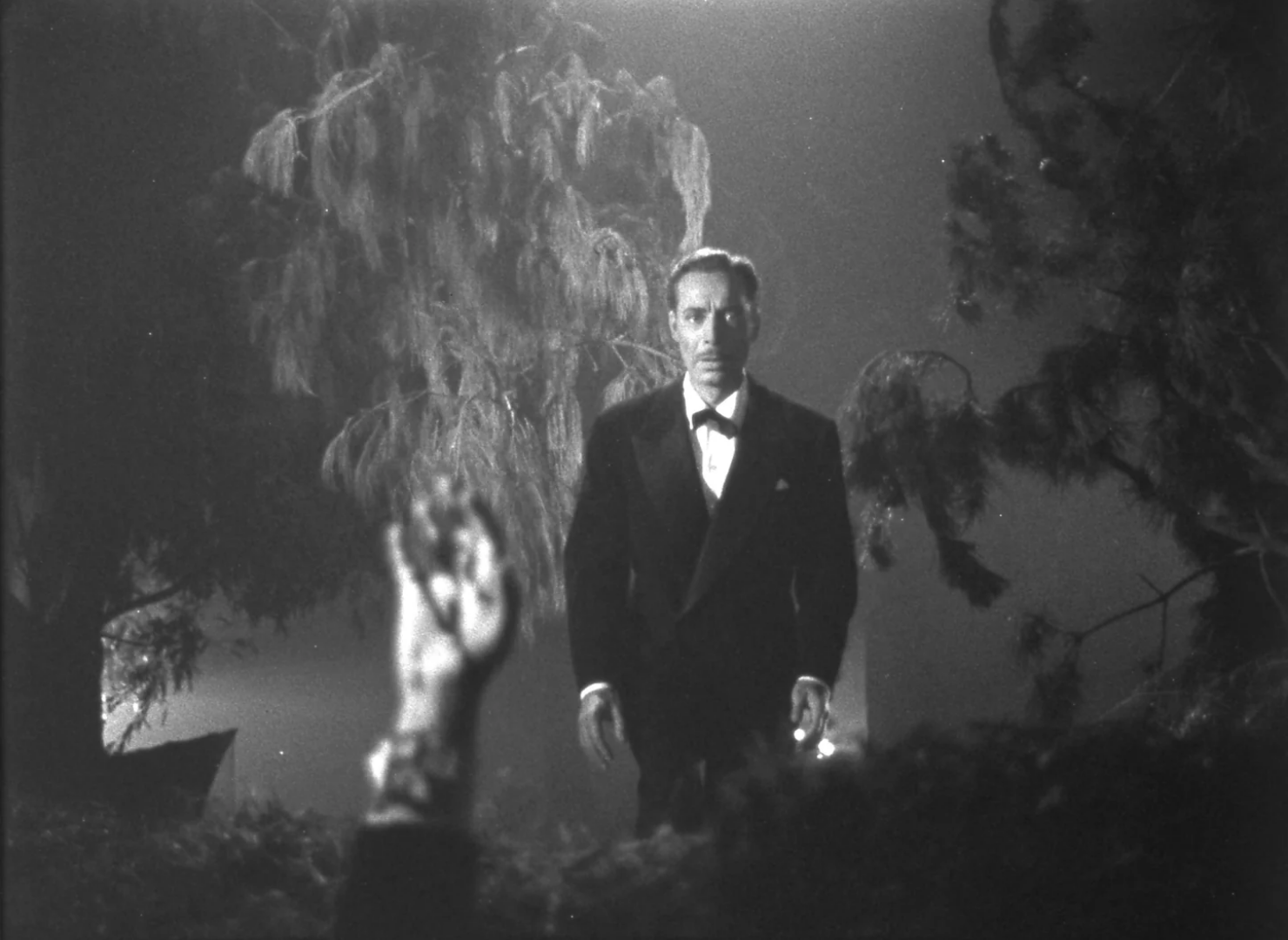
Román Viñoly Barreto · 104m · DCP
While searching for the culprit behind a personal tragedy, crime novelist Felix Lane (Narciso Ibañez Menta) becomes embroiled in a murder investigation. The victim was the patriarch of a wealthy family — and yet it becomes clear that everyone around him had a motive for the killing. An adaptation of the novel penned by Cecil Day-Lewis (father of Daniel Day-Lewis), The Beast Must Die is notable for its imaginitive expression of the interiority of its characters, all lovingly rendered in black and white by cinematographer Alberto Etchebehere.
Monday, October 5 7:00 PM
Never Open That Door (1952)
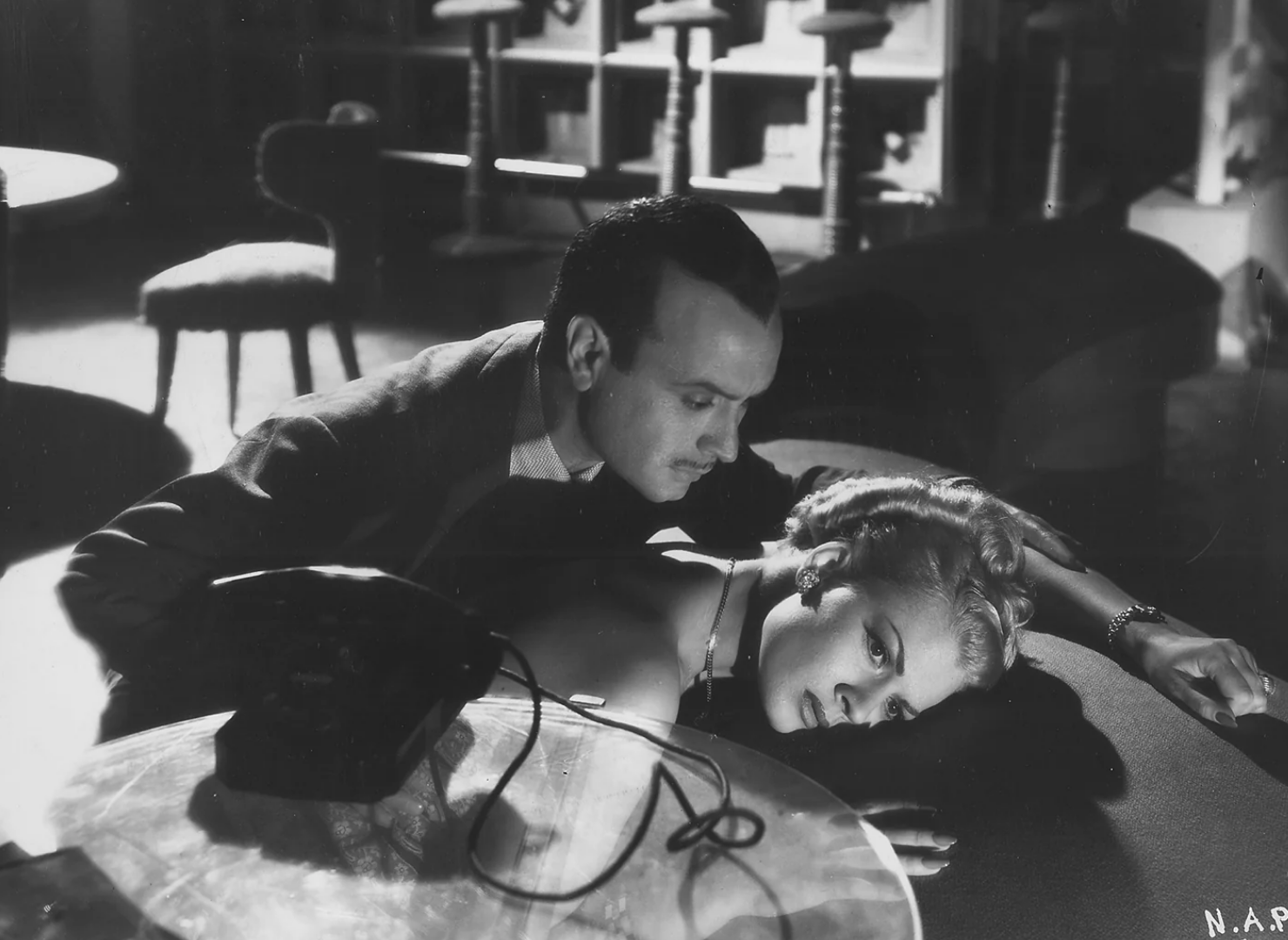
Carlos Hugo Christensen · 80m · DCP
Divided into two separate episodes, Never Open That Door follows a common theme of a door that separates good from evil. In the first episode, “Anguish,” a man works to avenge his deceased sister. In episode two, “Pain,” a blind woman pieces together an ongoing murder mystery in her town through sound.
Monday, October 12 7:00 PM
If I Should Die Before I Wake (1952)
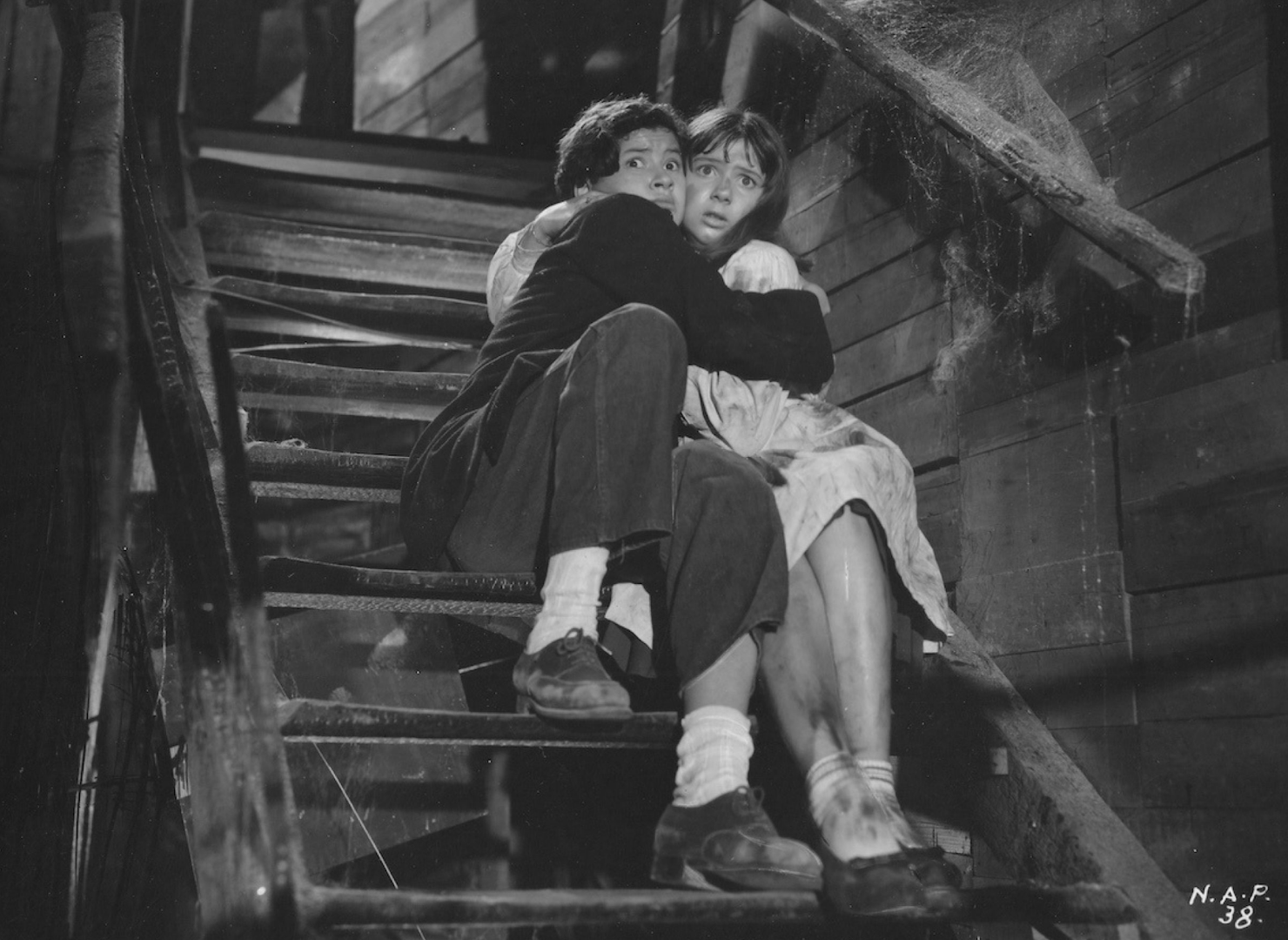
Carlos Hugo Christensen · 67m · DCP
Based on a short story by Cornell Woodrich (under the pseudonym William Irish), this film was originally meant to be the third part of a William Irish trilogy beginning with Never Open That Door. However, director Carlos Hugo Christensen decided to release it as a standalone feature. Reckless and troublemaking, a carefree young son to a police officer embarks on his own investigation for the serial killer responsible for the disappearance of his female classmates.
Monday, October 19 7:00 PM
The Black Vampire (1953)
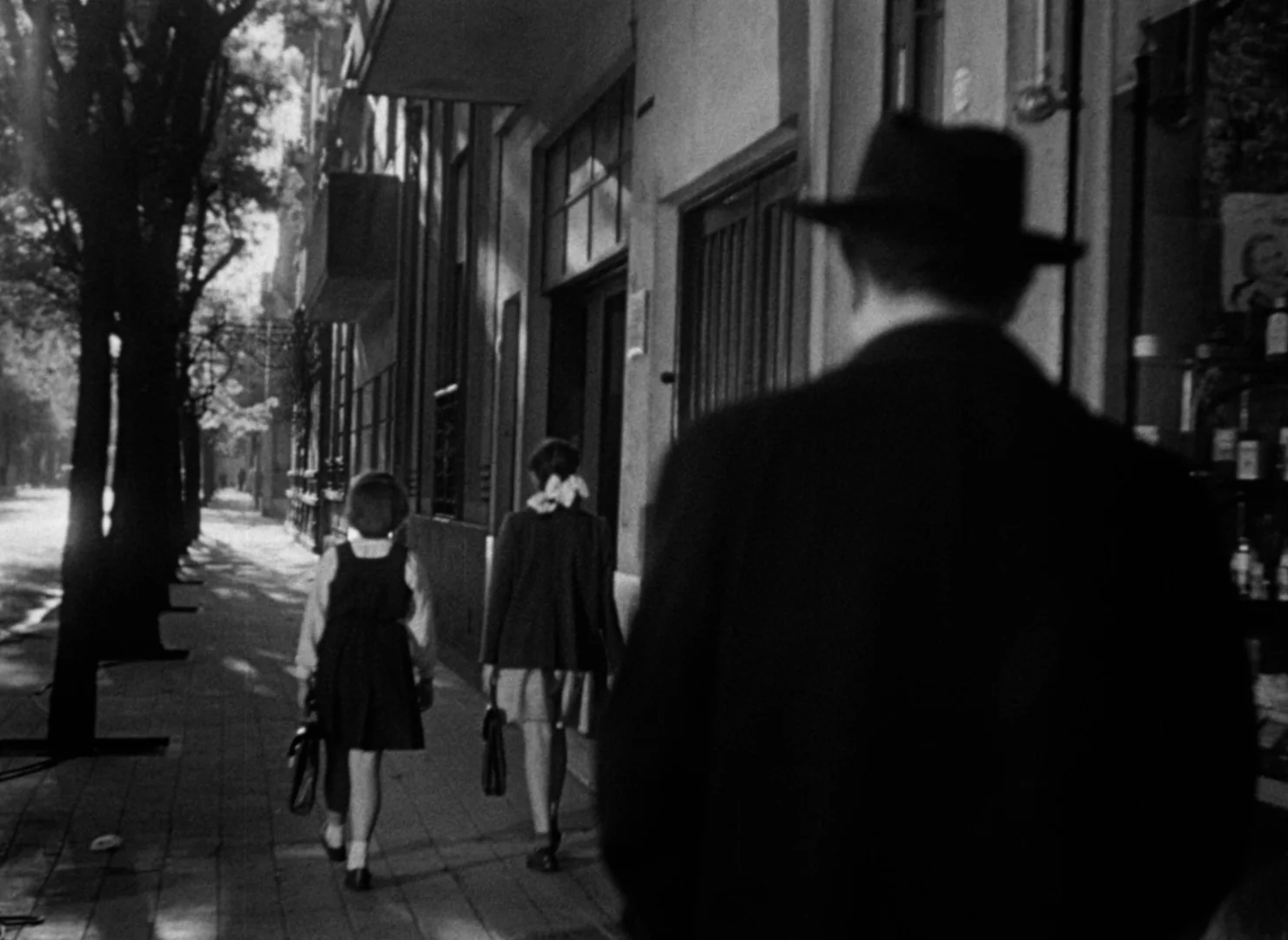
Román Viñoly Barreto · 90m · DCP
In 1950s Buenos Aires, a cabaret singer witnesses a child murderer disposing of a body and says nothing, fearing what an investigation would expose about her own life and her young daughter. Román Viñoly Barreto’s third adaptation of Fritz Lang’s M relocates the manhunt to the perspective the earlier films left offscreen: the vulnerable women whose testimony the city depends on and whose reputations it won’t protect.