


Four from Burkina Faso, 1982–92
The 1980s into the early 1990s marked a singular point in the history of Burkinabe film after the country’s independence and before the economic crisis of the 1990s. In the 1960s, the country began developing a nationalized cinema industry removed from the midcentury infrastructure French colonial directors had built. In 1969, the Pan-African Film and Television Festival of Ouagadougou was established in the capital, which would become one of the main African film festivals alongside the Journées Cinématographiques de Carthage in Tunisia. In 1970, the Société Nationale Voltaïque du Cinéma was created, which would finance the production of the first two Burkinabe feature films in 1972 and 1976.
The four films highlighted in this series roughly intersect with the four-year rule of Marxist, Pan-Africanist president Thomas Sankara from 1983 to 1987. Sankara’s government placed particular emphasis on cultural production. The selection features films from Gaston Kaboré and Idrissa Ouedraogo, two founding fathers of Burkinabe cinema, and groundbreaking Mauritanian filmmaker Med Hondo, who worked in Burkina Faso for the production of Sarraounia. These years were also the moment of first international success from Burkinabe filmmakers, especially after Ouedraogo’s Grand Prix win at Cannes in 1990 for Tilaï (recently restored and hopefully to arrive soon in the U.S.). An economic crisis in the early 1990s forced a partial collapse of national exhibition infrastructure in Burkina Faso, but today a new set of Burkinabe filmmakers continue to expand Burkina Faso’s cinema reputation; this series hopes to be a brief look at the key films that made up an earlier golden age.
The Choice (1987)
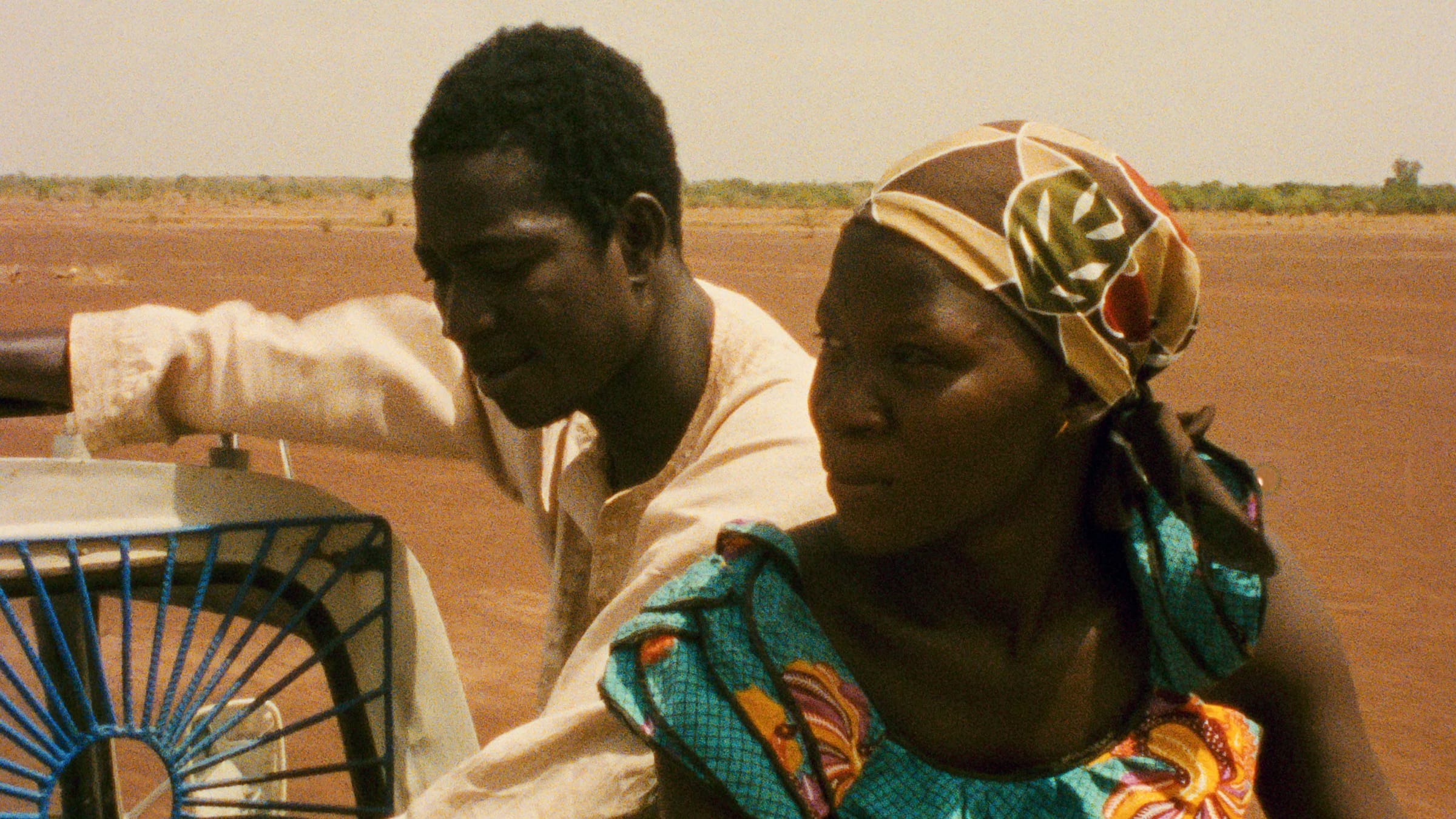
Idrissa Ouedraogo · 80m · DCP
A family must decide whether to continue their life in a village dependent on USAID or leave in search of a better life in the countryside. Idrissa Ouedraogo’s first feature transforms this choice into an exploration of displacement, modernity, and rural life. Upon seeing the film at the Pan-African Film Festival of Ouagadougou, filmmaker Mohamed Challouf described it as “the most beautiful and vibrant film of our history.”
Monday, November 2 7:00 PM
God’s Gift (1982)

Gaston Kaboré · 71m · DCP
Found unconscious in the wilderness, a mute boy with no memory is taken in by a Mossi village family. He is given the name Wênd Kûuni, or God’s Gift. The rhythms of village life unfold through his eyes in Gaston Kaboré’s masterful debut, an attempt to explore the Burkinabe present through tales of the pre-colonial past.
Courtesy of CINEMATEK Royal Film Archive of Belgium.
Monday, November 9 7:00 PM
Sarraounia (1986)
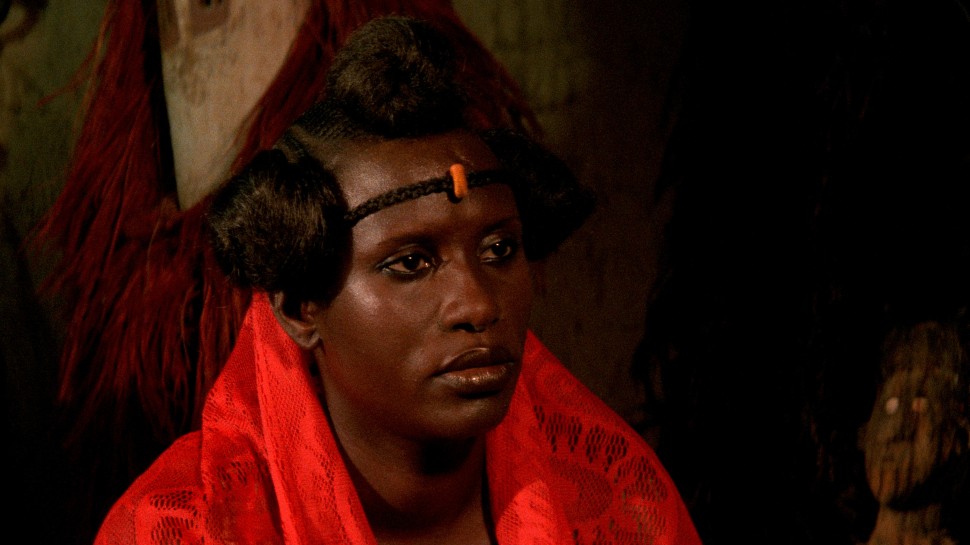
Med Hondo · 122m · DCP
As the French Voulet-Chanoine expedition ravages West Africa in 1899, the warrior leader of the Azna people, Queen Sarraounia (featuring an extraordinary performance by Aï Keïta) prepares to resist the advancing colonial army. Based on Abdoulaye Mamani’s historical novel, Med Hondo’s anti-colonial epic was made possible largely by Thomas Sankara, who suggested Hondo shoot in Burkina Faso and supplied him with technicians, actors, and the Burkinabe army.
Monday, November 16 7:00 PM
Samba Traoré (1992)

Idrissa Ouedraogo · 85m · DCP
After a botched robbery leaves his accomplice dead, Samba is forced to flee to his village with a suitcase of stolen money. He builds a new life with an old flame, but his guilt remains despite his desire to bury the past. Idrissa Ouedraogo turns what could be a conventional crime story into a frank meditation on the possibilities of reinvention, set against a country itself in flux just years after Sankara’s assassination.