


Judit Elek: Reality by Itself
“I have to be a filmmaker to show people as they are, because I see them more clearly than they do, and because I love them,” Judit Elek, pioneer Hungarian documentary filmmaker, wrote at 17 years old. One of the first women to graduate from the National School of Theater and Cinema in Budapest, Elek was an instrumental part of the Béla Balázs Studio in its early days, a workshop and debate club for young filmmakers responsible for the formation of a Hungarian cinematic neo-avant-garde. In collaboration with her peers at the Balázs Studio as well as in the government-subsidized film laboratory Mafilm, Elek paved the way for a new wave in Hungarian cinema. Elek’s approach merges the documentary and the fictional, situating personal stories full of feeling in the full sweep of their historical context and taking inspiration from French New Wave methods while making them fully her own. Elek’s cinema is direct, unyielding, the “fruit of a restless demand” for intergenerational communication “accompanied neither by concessions to fashion nor by deviations from the truth” (Philippe Haudiquet), but also incredibly personal, drawing on her experiences of the Budapest Ghetto and the Hungarian Uprising of 1956. Elek’s work, the majority never before screened in the United States, is an urgent appeal to openness and truth, to “using a reality not determined by me, but by itself.”
All films courtesy of the National Film Institute Hungary.
Encounter / The Lady from Constantinople (1963 / 1969)
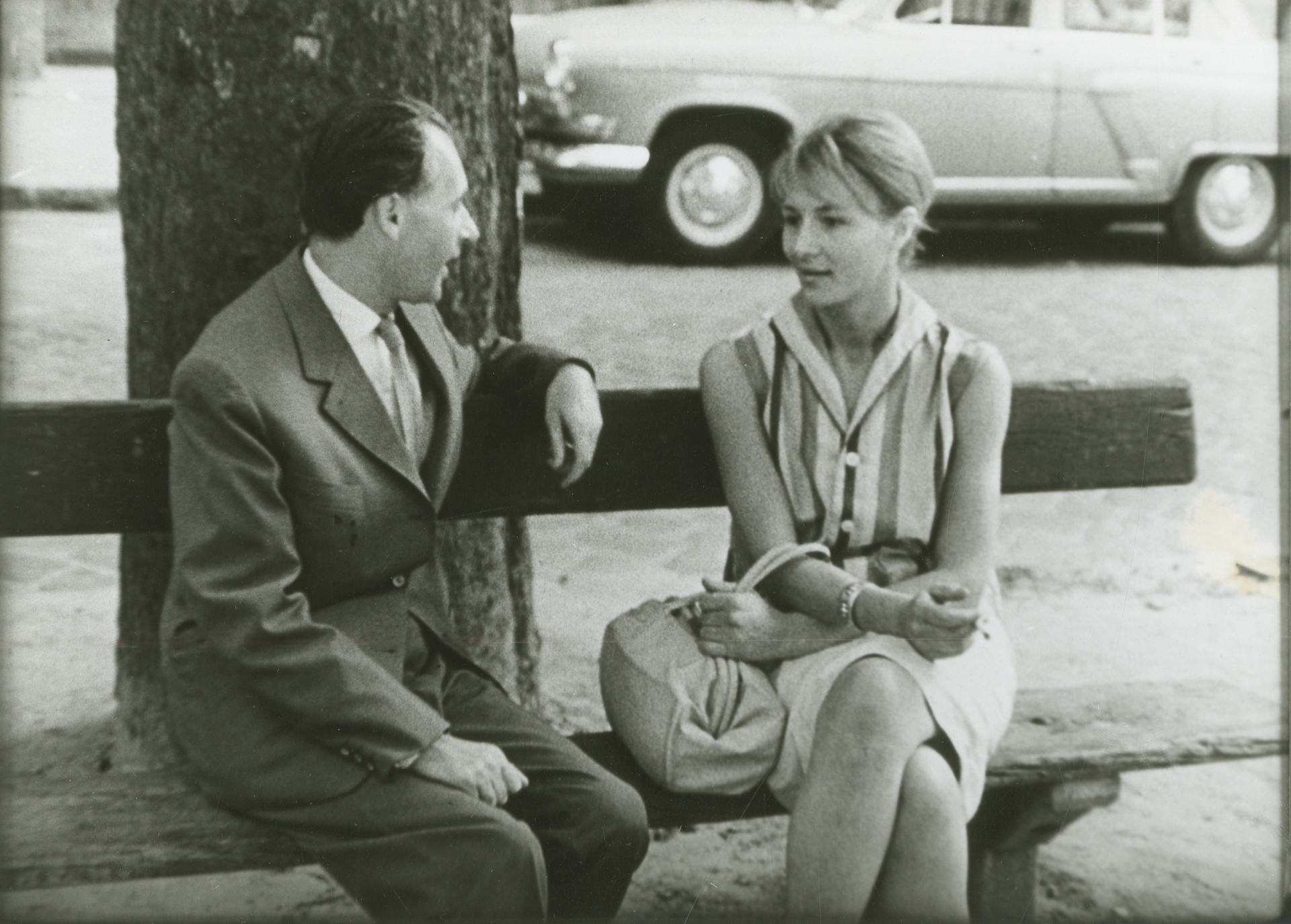
Judit Elek · 23m / 79m · DCP
An older woman wanders the streets of Budapest trying to exchange her apartment for a smaller one, her interactions with potential house-swappers becoming increasingly surreal. Her most lauded film, Elek described the origin point of the film when “reading these adverts, and little by little, I was interested by the ambiance, these people and their problems… I realized they weren’t only looking for housing, but for friends.” Preceded by Elek’s debut film Encounter, another ode to Budapest and the act of conversation.
Sunday, May 3 4:00 PM
Inhabitants of Castles in Hungary in 1966 / How Long Does Man Live? (1967 / 1967)
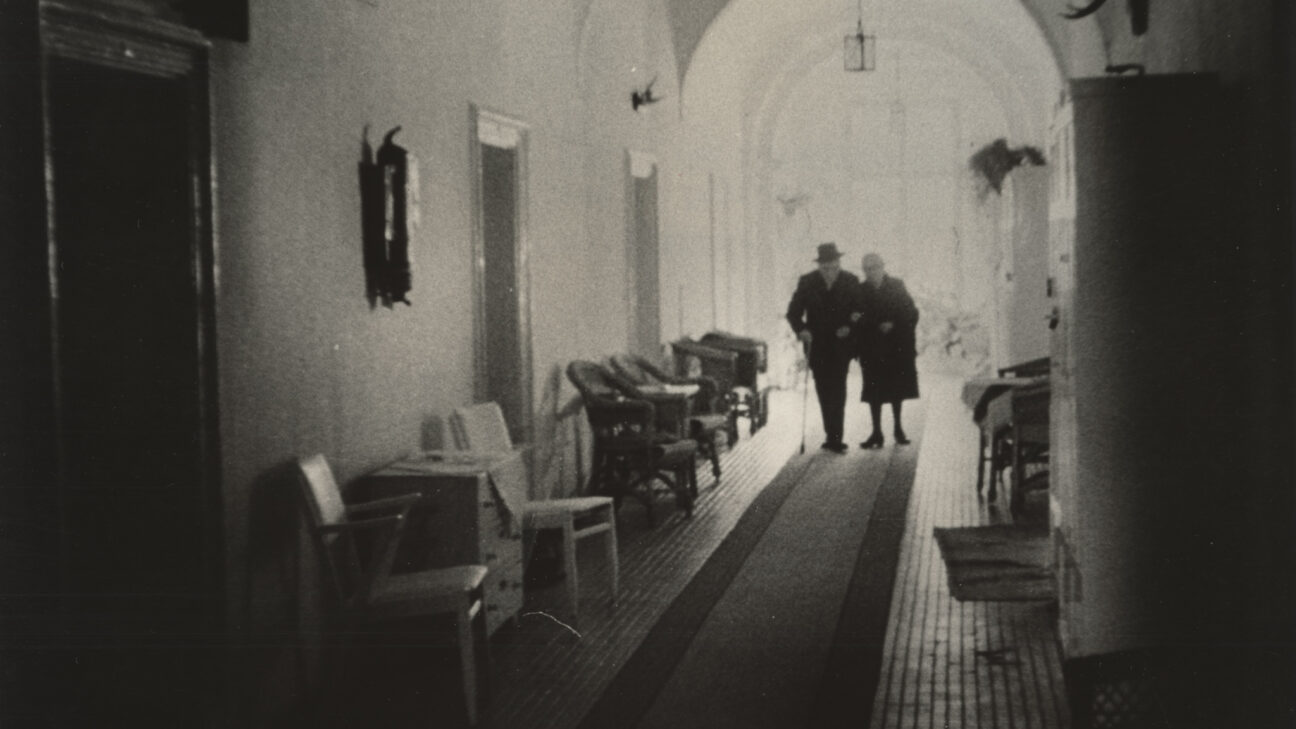
Judit Elek · 27m / 60m · DCP
While last week’s films toe the line between the narrative and the documentary, these films find Elek fully in documentary mode. Inhabitants of Castles follows the residents of a new, socialist Hungary—old couples, artists, children—inhabiting the architecture of an older imperial nation. Perhaps Elek’s most important documentary, How Long Does Man Live? is another exploration of working class Hungarian life, following an older factory worker retiring and a young peasant boy coming to take up his post.
Sunday, May 10 4:00 PM
On the Field of God in 1972-1973 (A Hungarian Village) (1974)
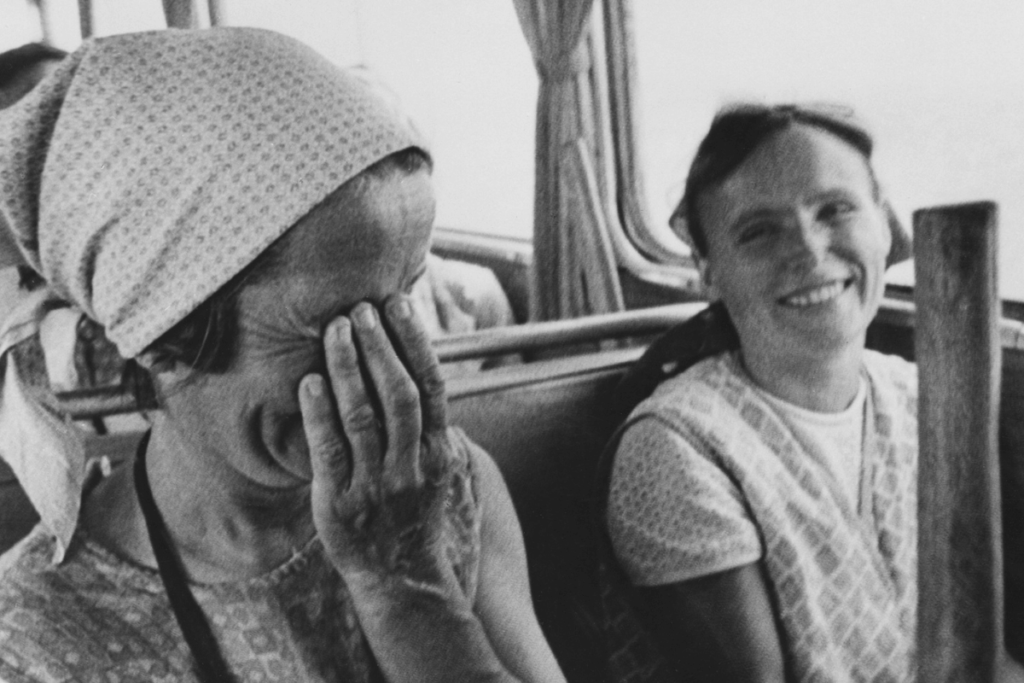
Judit Elek · 78m · DCP
Two girls come of age in the village of Istenmezején. They have multiple futures before them: going to school or working the fields, staying to get married or pursuing a more modern life in the city.
Sunday, May 17 2:00 PM
A Commonplace Story (1976)
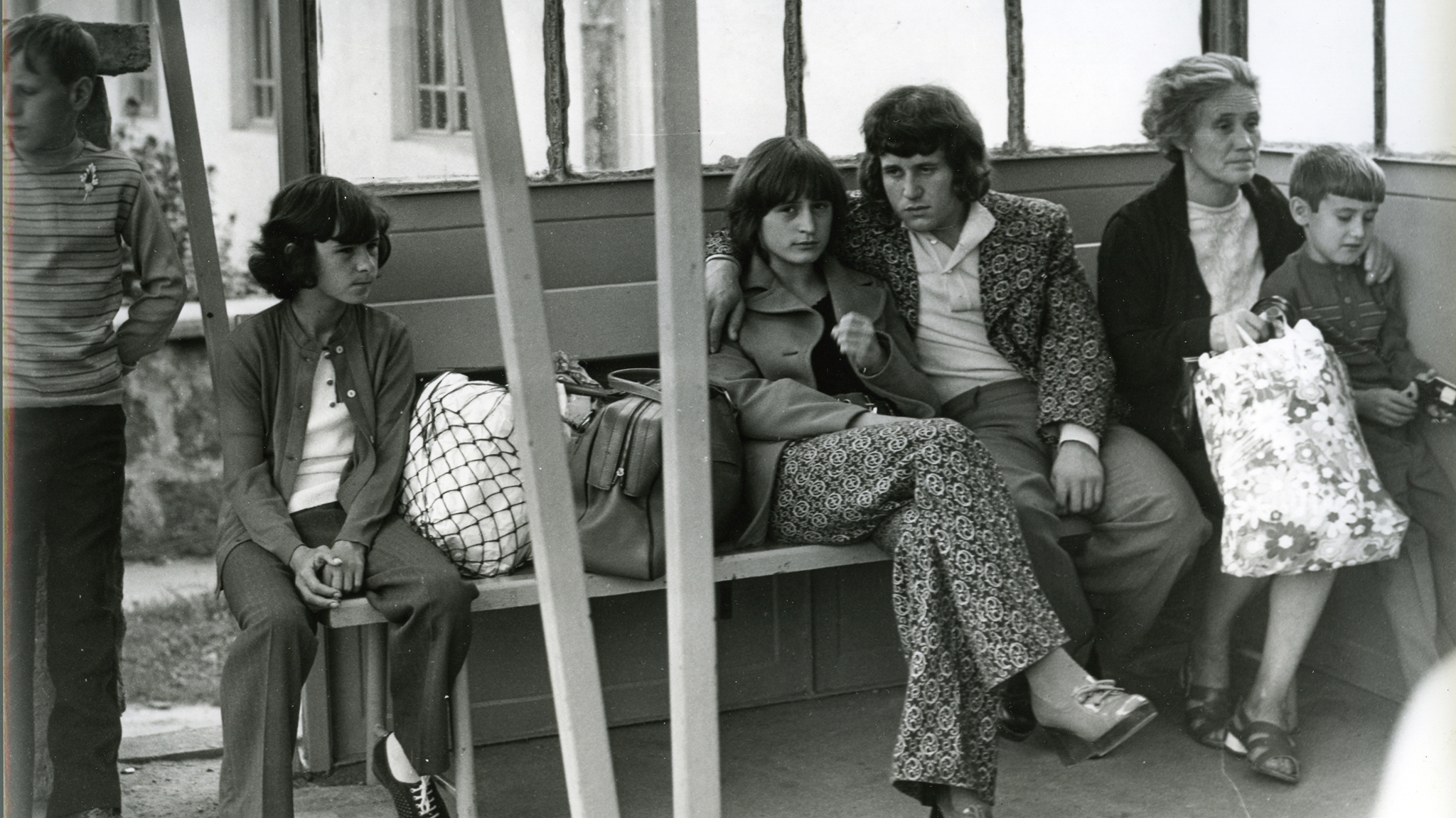
Judit Elek · 104m · DCP
In the second part of On the Field of God, Elek returns to Istenmezején, continuing her patient, loving observations of the girls she began to film years ago. Elek considered these films her most important ones, shot over several years and infused with a genuine tenderness toward its subjects. The third part, which was intended to be a film focusing on Elek’s own role in the documentation of these villagers, was never realized.
Sunday, May 17 4:00 PM
Maria’s Day (1984)
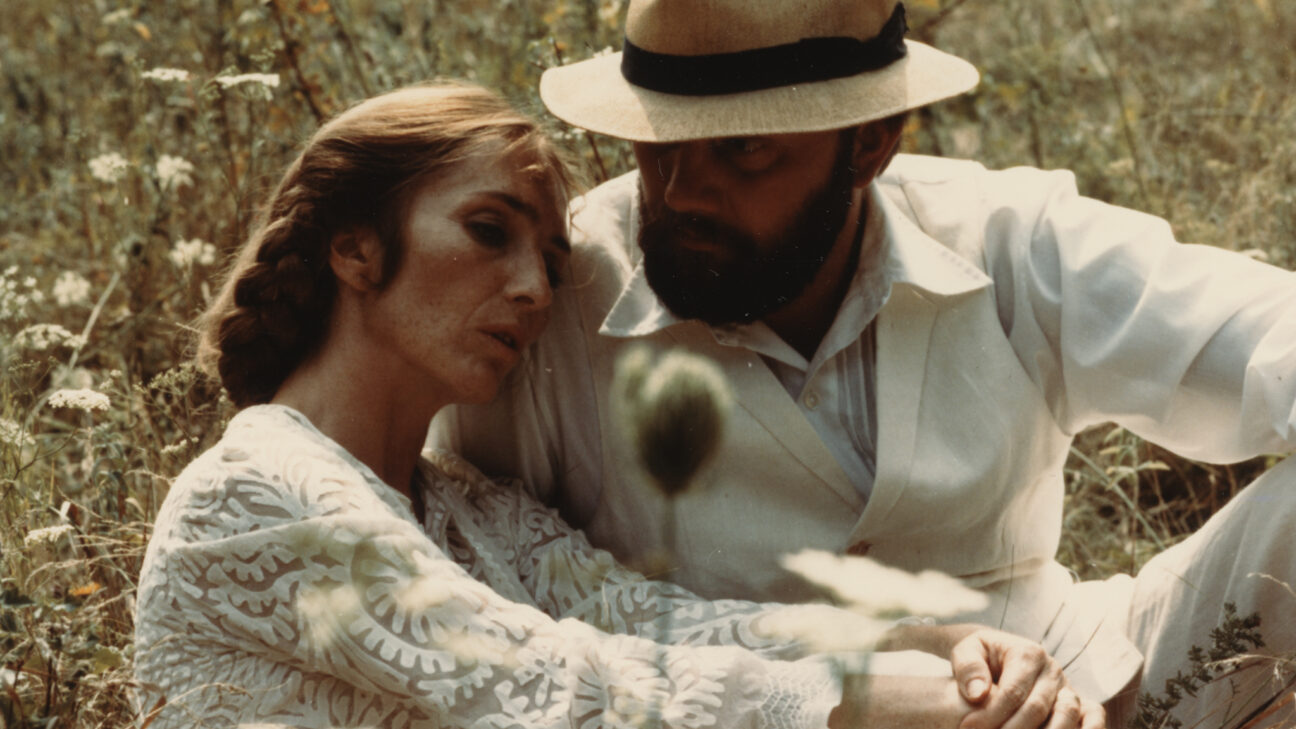
Judit Elek · 113m · DCP
Judit Elek’s intimate drama, set in an 1866 Hungary on the brink of monumental change, traces the descent of a formerly aristocratic Hungarian family. With a mood of decay, desperation, and the broken revolutionary hopes, Elek’s film is nevertheless gentle, and a tribute to the great Hungarian poet Sándor Petőfi.