


Psychodynamic Cinema
Programmed by: Ky Julian McBride
The psychodynamic school of thought encompasses Freud’s psychoanalytic theory as well as its numerous revisions and offshoots – Jung’s collective unconscious, shadows, and archetypes; Erikson’s theory of social development, and so on. The common aspect of all psychodynamic thought is a heavy consideration towards the enduring subconscious impact of past experiences and masked desires.
This theory, as well as the other major constituents of modern psychological theory (the behavioral, cognitive, social, and biological approaches) are relatively young, most dating to the late-19th century into the 20th century – a period when cinema began to emerge as an art form. And though it may or may not be a product of their concurrent evolution, film seems to lend itself exceptionally well to the exploration of psychological phenomena and the “inner world.” These titles grapple with how the mind engages with reality, depicting identity crises, dream analyses, and confrontations with memory.
Inland Empire (2006)
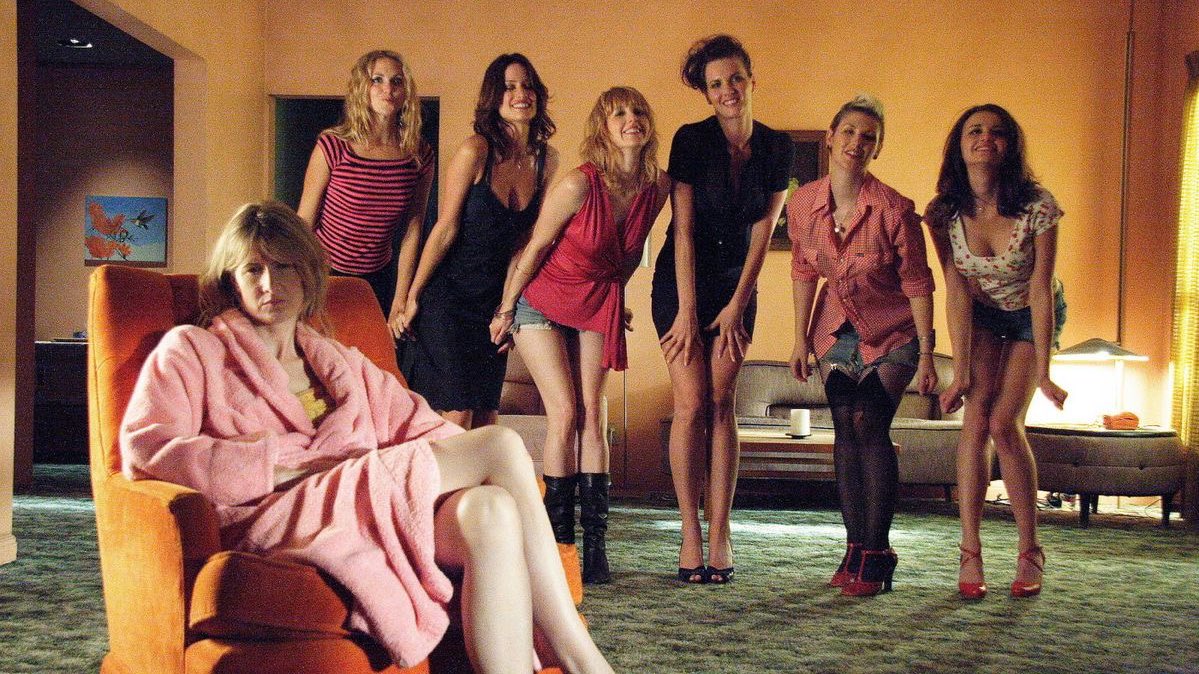
David Lynch · 180m · DCP
The very invocation of David Lynch’s name communicates a dreamlike, uncanny atmosphere that blends the surreal and mundane. From his final feature Inland Empire, it’s easy to see why: an actress starring in a cursed film finds herself on a nightmarish journey that blurs the lines of reality and fiction, past, and present.
Friday, March 27 7:00 PM
Nostalghia (1983)
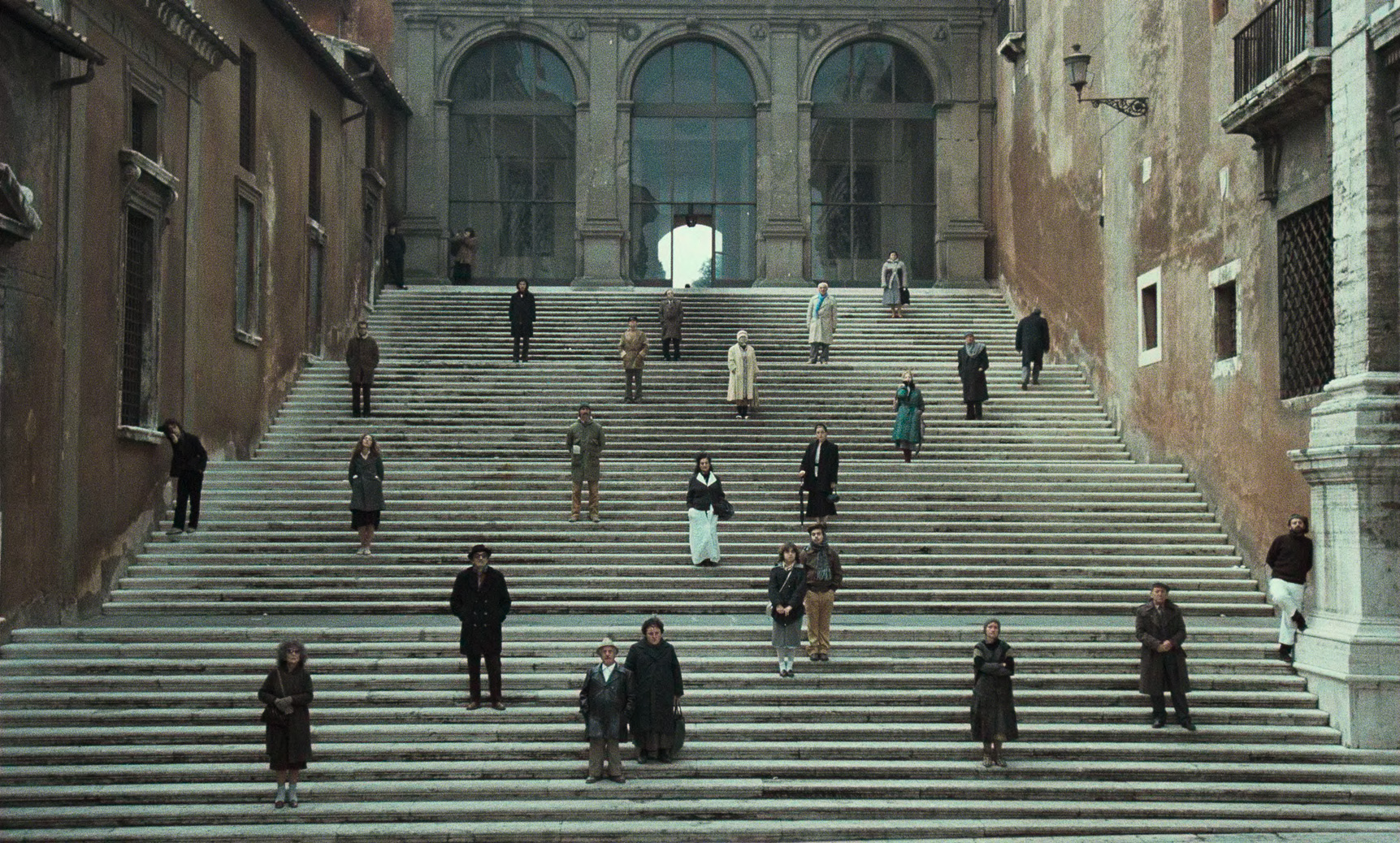
Andrei Tarkovsky · 124m · 35mm
Andrei Tarkovsky described his own cinematic style as “sculpting in time,” concerned with establishing feeling and rhythm more than a plot. His first film made in exile from the Soviet Union, Nostalghia, embodies this approach, revolving around dream sequences that portray the homesickness, nostalgia, and the difficulties of translating culture.
Friday, April 3 7:00 PM · Saturday, April 4 4:00 PM
Slaughterhouse-Five (1972)
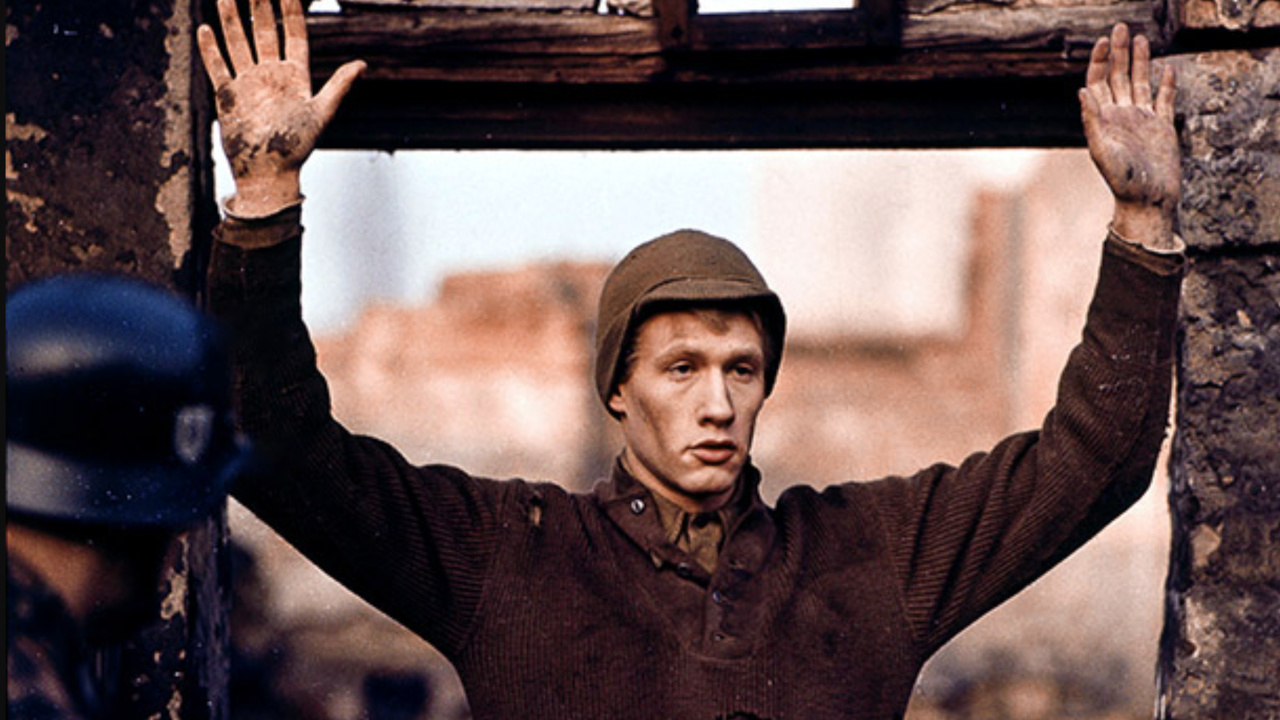
George Roy Hill · 100m · 35mm
Greetings from Tralfamadore! Based on Kurt Vonnegut’s 1969 novel inspired by his experiences as a prisoner of war, Slaughterhouse-Five follows a shell-shocked man “unstuck in time.” Billy Pilgrim travels uncontrollably between World War II, postwar civilian life, and a bizarre alien planet. Said Vonnegut: “I drool and cackle every time I watch that film, because it is so harmonious with what I felt.”
Friday, April 10 7:00 PM
Dogra Magra (1988)
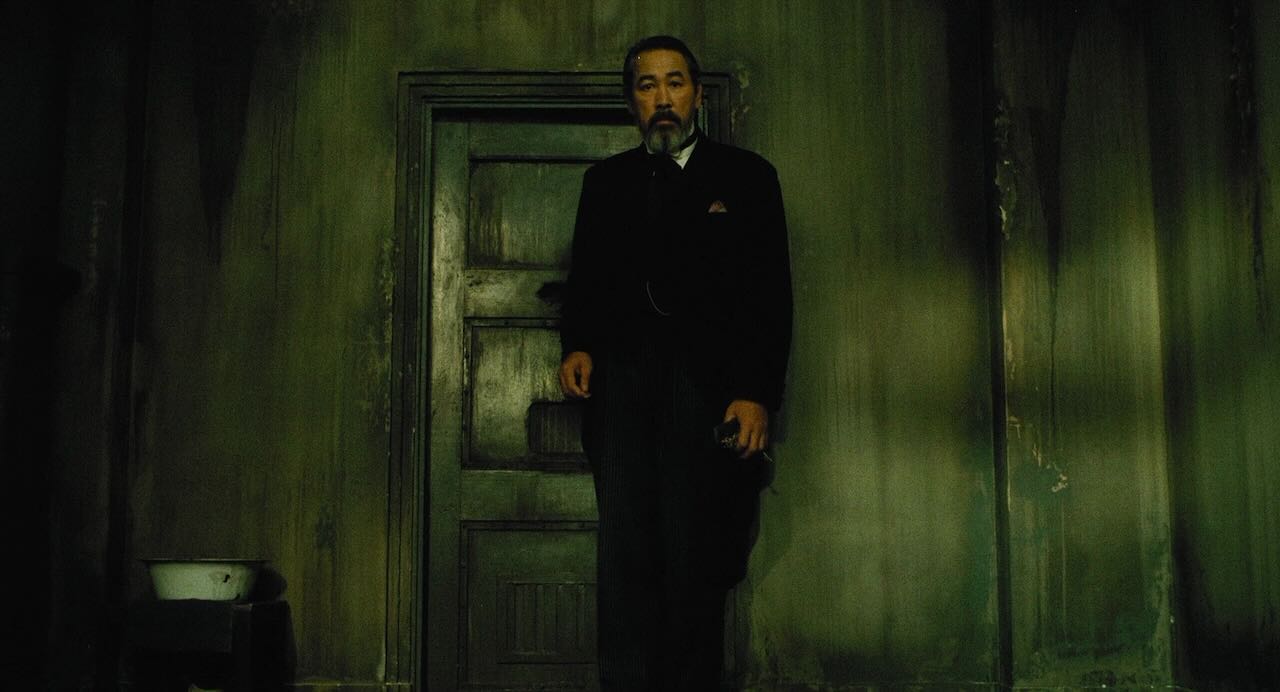
Toshio Matsumoto · 109m · DCP
From the director of the better-known Funeral Parade of Roses, Dogra Magra is a psychedelic subversion of the classic detective story. We follow the identity crisis of an amnesiac who has supposedly committed a murder but can no longer recall the motive. After he wakes up in a psychiatric hospital, two doctors present conflicting interpretations of what transpired, inciting an endless cycle of distrust and mystery.
Friday, April 17 7:00 PM
Peppermint Candy (1999)
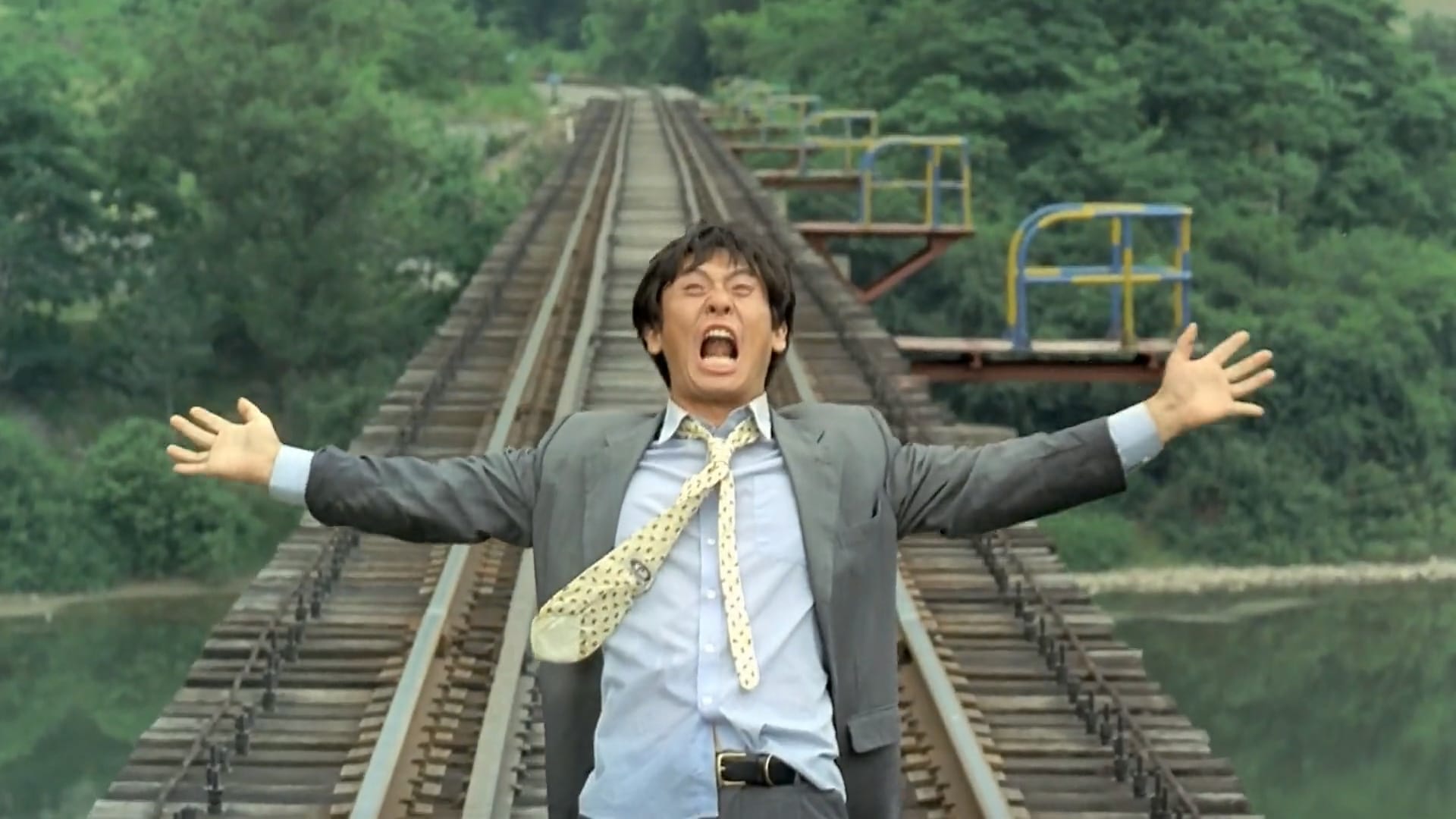
Lee Chang-dong · 131m · DCP
Before the polished aesthetics of K-pop and K-horror, there was the grit of films like Peppermint Candy. The unrest of 70s and 80s South Korea is captured through the lens of one individual’s life as it flashes before his eyes: in reverse chronology, we observe a number of pivotal events in both national history and personal psychological development.
Friday, April 24 7:00 PM
Dreams (1990)
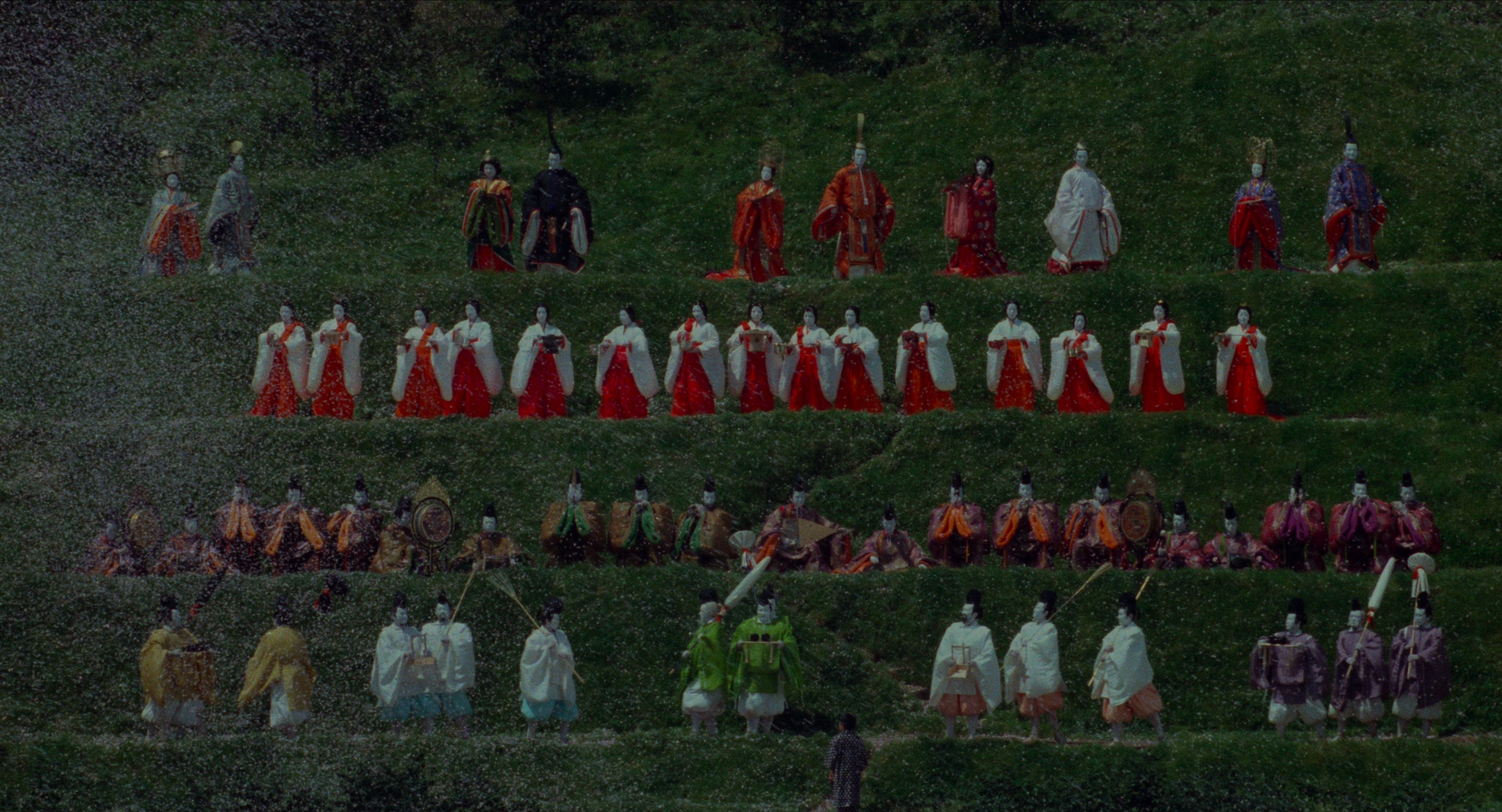
Akira Kurosawa · 119m · DCP
One of Kurosawa’s final films before his fatal back injury, Dreams is an episodic reflection on his evolution as a filmmaker and his journey’s socio-political context – Japanese imperialism and war crimes, postwar devastation, the threat of nuclear holocaust, and the general failure of modernity. The day’s residue of the filmmaker (the episodes are based on Kurosawa’s dreams) is recounted with a color palette as lavish as that of van Gogh, who Martin Scorsese plays in the film.
Friday, May 1 7:00 PM
Hiroshima mon amour (1959)
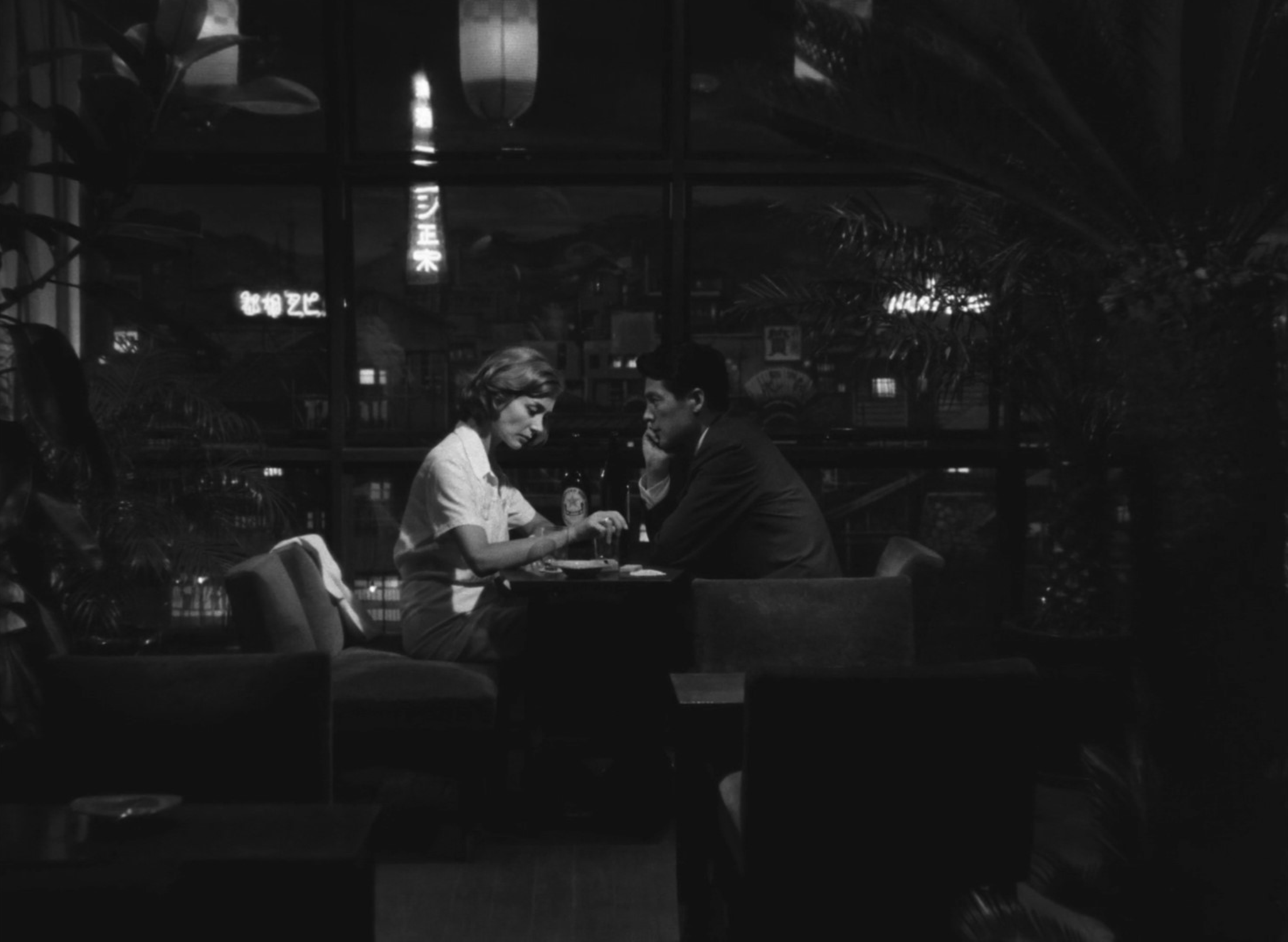
Alain Resnais · 92m · DCP
In Alain Resnais’ feature-length debut, a Japanese man and a French actress passing through Hiroshima strike up a doomed affair. Their unlikely romance serves as a venue for discussion of the nature of love, war, and what it means to forget.
Friday, May 8 7:00 PM
The Hourglass Sanatorium (1973)
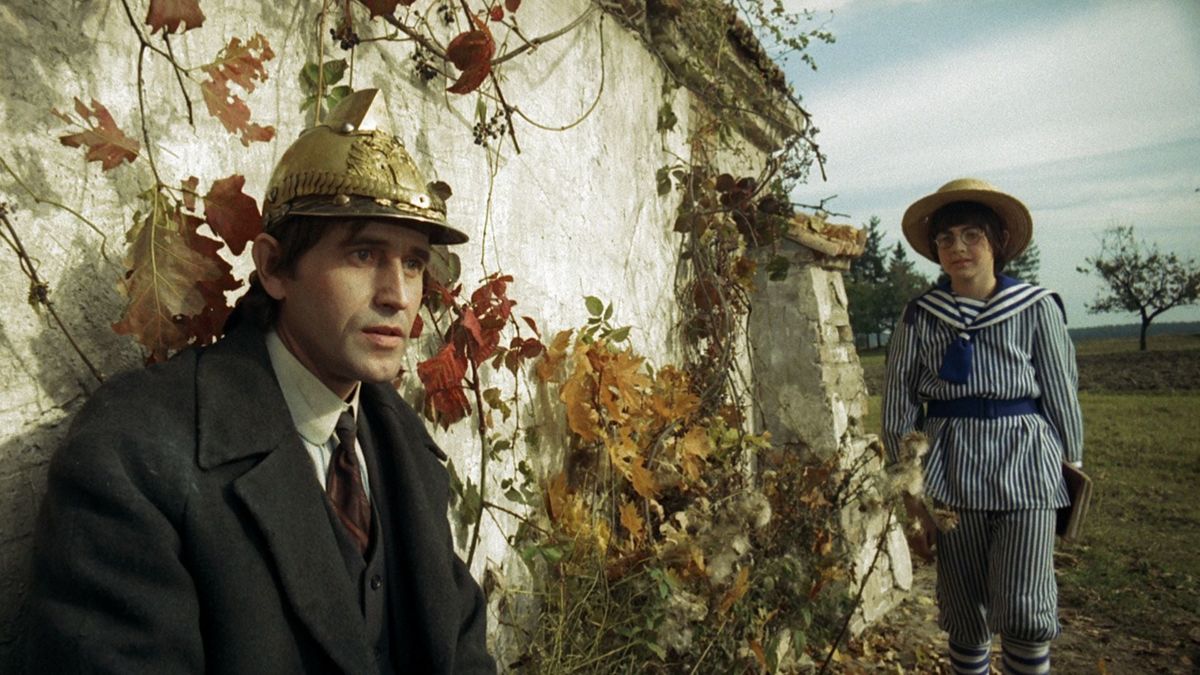
Wojciech Jerzy Has · 124m · DCP
Chastised by Polish censorship authorities, Wojciech Jerzy Has resorted to smuggling thousands of meters of film composing The Hourglass Sanatorium into the 1973 Cannes Festival. His controversial work follows a man through the ramshackle and otherworldly sanatorium where his dying father resides. Each room conjures distorted representations of his memories, and time seems to move variably, backwards, or sometimes not at all.
Friday, May 15 7:00 PM
Je t’aime, je t’aime (1968)
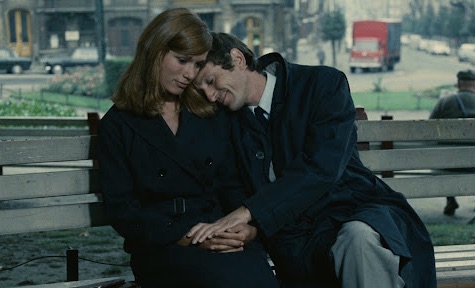
Alain Resnais · 94m · 35mm
Je t’aime, je t’aime is an unexpectedly somber film for one titled “I Love You, I Love You.” Claude becomes the subject of an ill-fated experiment following a suicide attempt: a malfunctioning time machine sends him to random moments in his past, most notably the highs and lows of a troubled relationship, forcing him to confront his most haunting regrets.
35mm print courtesy of Film Desk.