


Howard Hawks’ Pre-War Years
Programmed by: Avivit Ashman and Aaryan Kumar
“If it is true that we are fascinated by extremes, by everything which is bold and excessive, and that we find grandeur in a lack of moderation — then it follows that we should be intrigued by the clash of extremes, because they bring together the intellectual precision of abstractions with the elemental magic of the great earthly impulses, linking thunderstorms with equations in an affirmation of life. The beauty of a Hawks film comes from this kind of affirmation, staunch and serene, remorseless and resilient. It is a beauty which demonstrates existence by breathing and movement by walking,” Jacques Rivette wrote of the American director in his 1953 essay “The Genius of Howard Hawks.” Hawks’ films before the outbreak of the Second World War are among the best examples of this quality, and his precision and humanism remain razor-sharp. The range of Hawks’ prewar output is remarkable, and remains comparatively under-screened. In the films of this series Hawks traverses the adventure picture, the gangster film, wartime drama, and screwball comedy, united by their verbal agility, visual exactitude, and depictions of camaraderie and restrained desire.
Hawks often wrote and produced his own films, a tendency toward auteurship that would lead to his rediscovery in the 1950s through the French critics of Cahiers du cinéma, especially by Jacques Rivette, François Truffaut, and Jean-Luc Godard, the latter of whom called Hawks the “greatest of all American artists.” His pre-war works in particular are examples of Hawks’ decisively Protestant ethic (as argued by Michael Jay Anderson) and interest in professionalism. Indeed, Hawks’ use of ensemble casts and attention to male group dynamics (as in Only Angels Have Wings and The Dawn Patrol) and the homosocial desires that structure them — as well as his sharp-witted female figures — often lead to his categorization as a social critic, a filmmaker of class and gender subversion. In his personal life, however, Hawks was far from a proto-feminist, and was an outspoken critic of the New Deal. These tensions in his oeuvre bear witness to the ambivalences of Depression-era American society; according to director John Carpenter, Hawks “was showing you the American century,” with all of the flaws and violences inherent. “He showed us the way we were. He kind of created this American ideal on screen that we are still doing today over and over again.”
Only Angels Have Wings (1939)
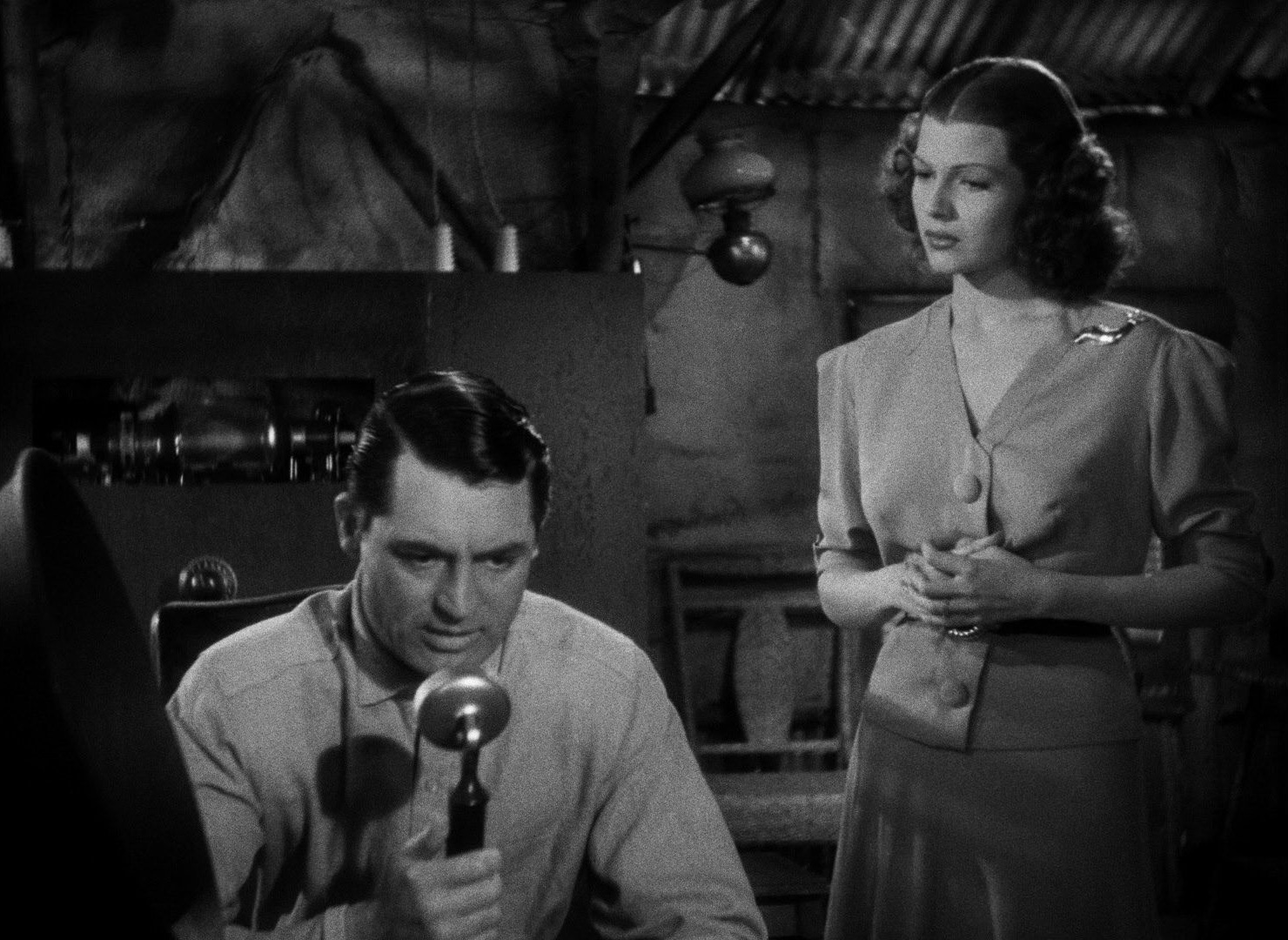
Howard Hawks · 121m · 35mm
A showgirl on tour (Jean Arthur) makes a stop at a remote South American port when she encounters a rambunctious group of cargo pilots and their charismatic ring-leader (Cary Grant). She is both repelled by and attracted to his tendency to danger, establishing a classic dynamic between the male protagonist and the “Hawksian Girl” who disrupts his notions. Only Angels Have Wings features one-of-a-kind flight sequences and Rita Hayworth in her breakout role.
35mm print courtesy of the Library of Congress.
Wednesday, June 17 5:00 PM · Thursday, June 18 8:00 PM
The Criminal Code (1931)
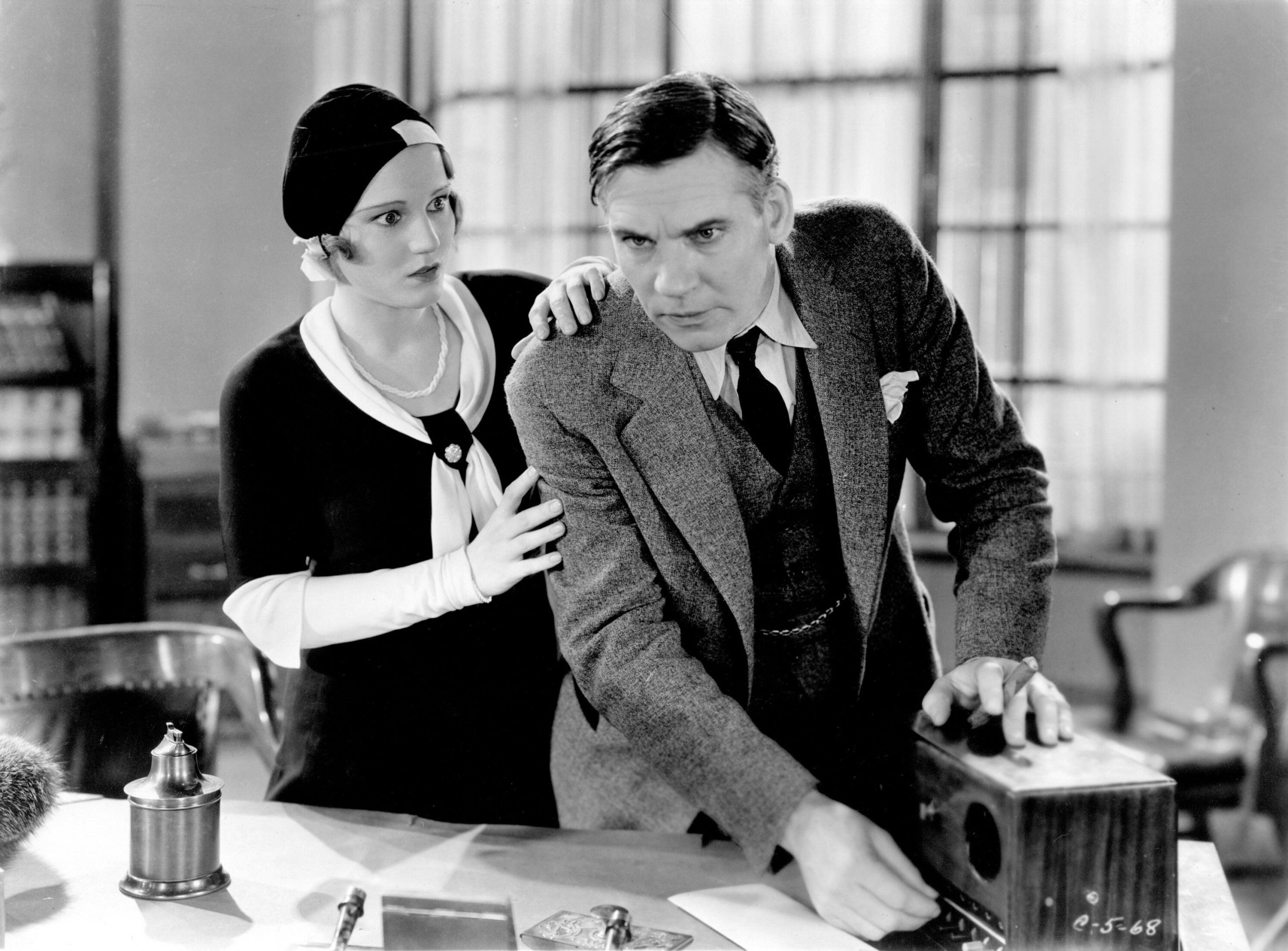
Howard Hawks · 97m · 35mm
A notable early sound feature, The Criminal Code follows a man after his release from prison as he is dragged back into a world of crime. Hawks was given great stylistic control from Columbia for the film, and its generic experimentation is remarkable, mixing the mobster film, romantic melodrama, and the left-wing penal reform film popularized in the 1930s. On a rare 35mm print — Andrew Sarris has called the film “the least known, least accessible, and least frequently revived Hawks talking picture" — the film is also served by cinematography from James Wong Howe and a masterful central performance by Walter Huston.
Thursday, June 25 8:00 PM · Friday, June 26 5:00 PM
The Cradle Snatchers / Twentieth Century (1927 / 1934)
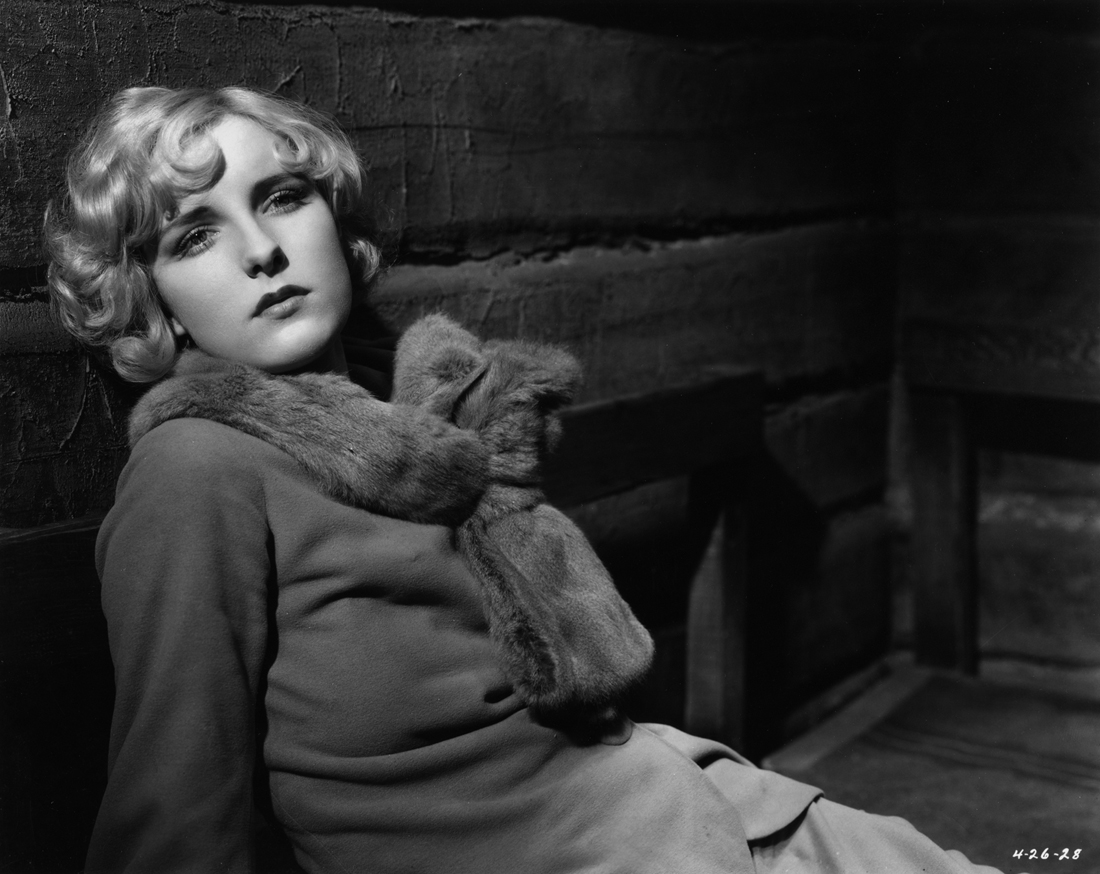
Howard Hawks · 47m / 91m · 35mm / DCP
This selection of pre-Code comedies — the former one of Hawks’ very first films, and the latter his most lauded pre-Hays screwball — shows Hawks’ maturing comedic sensibilities in his early years. In the rarely-screened Cradle Snatchers, housewives begin affairs with college boys to avenge their husbands’ escapades with flappers. Twentieth Century features John Barrymore and Carole Lombard as a mercurial Broadway bigwig and a young ingenue, respectively, and their battle of wits as they travel cross-country on the Twentieth Century Limited passenger train.
35mm print courtesy of the Library of Congress. The 35mm Library of Congress preservation print of The Cradle Snatchers survives only incompletely, with one reel and portions of two others lost. There will be an intermission between films.
Wednesday, July 1 5:00 PM · Thursday, July 2 8:00 PM
The Dawn Patrol (1930)
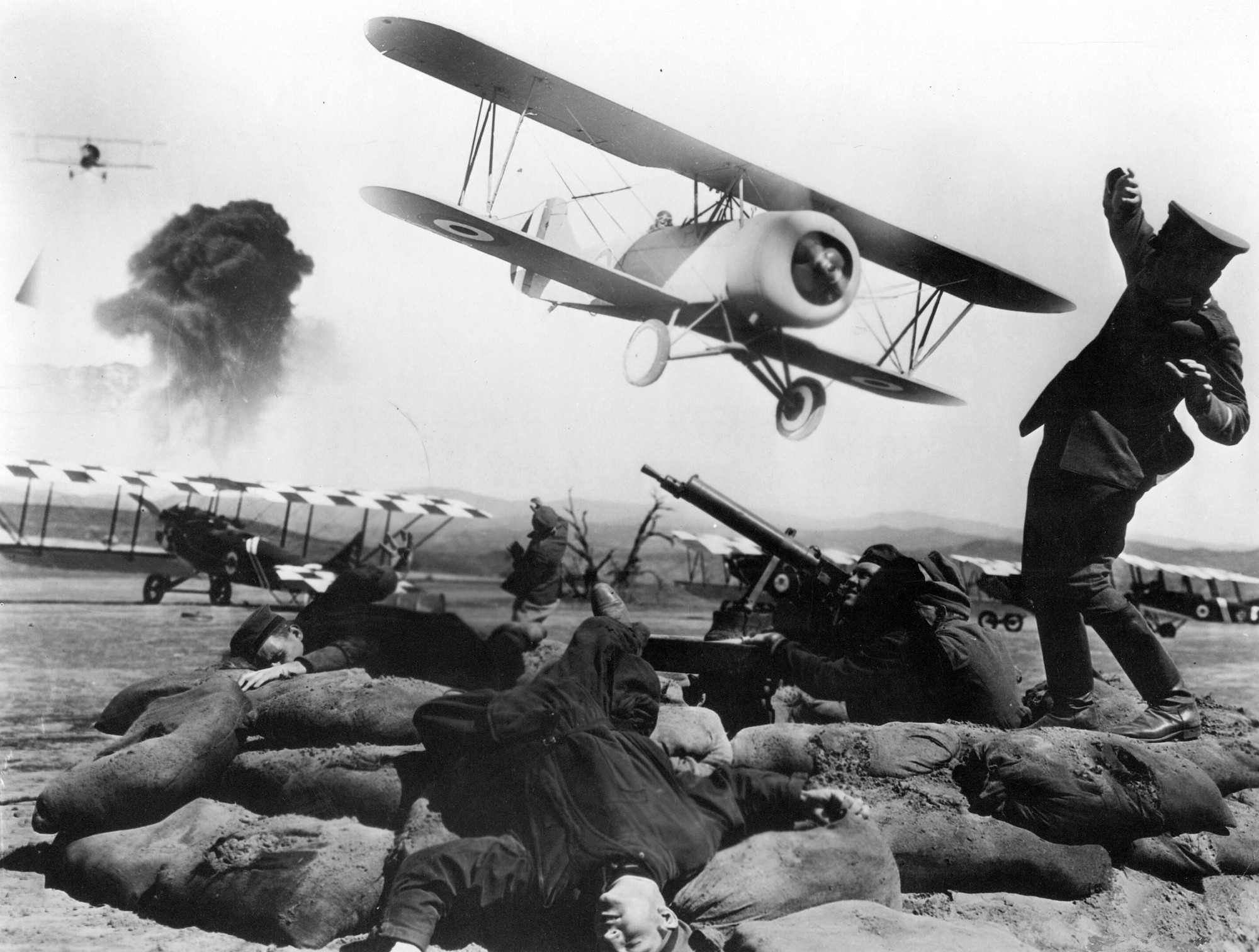
Howard Hawks · 108m · 35mm
Hawks ventures into the war film with The Dawn Patrol, which tracks World War I ace Dick Courtney’s disputes with Brand, his commanding officer. Brand, however, has nobly been begging the high command in private to give his soldiers more training time and better prepare them for battle. Hawks, who was a flight training instructor during the war, flew a plane during production in an uncredited role — the beginning of his filmic fascination with aviation.
35mm print courtesy of the Library of Congress.
Thursday, July 9 8:00 PM · Friday, July 10 5:00 PM
Bringing Up Baby (1938)
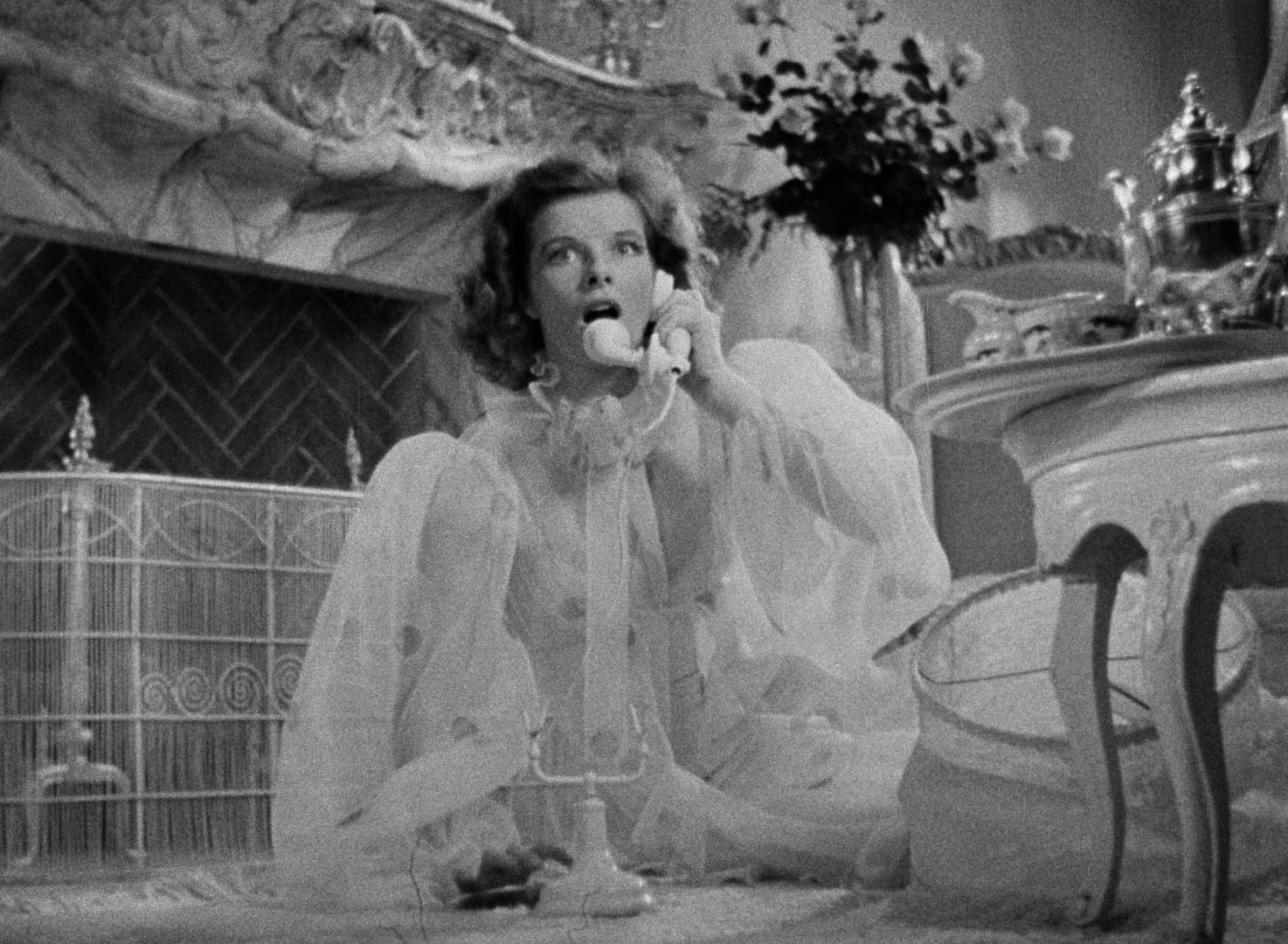
Howard Hawks · 102m · 35mm
Katherine Hepburn plays Susan Vance, an aloof but endearing socialite who waltzes into the life of mild-mannered paleontologist David Huxley (Cary Grant). In the first day of their meeting, Susan steals David’s car, endangers a crucial donation to his museum, and ropes him into raising her new pet leopard, Baby. Despite the film’s poor initial showing at the box office (Hawks mused it would’ve performed better “if there had been a few sane folks in it” instead of an erratic cast of characters) it has since become a classic of the screwball genre.