


Boris Barnet: A Cinema Despite Life
Programmed by: Hannah Yang
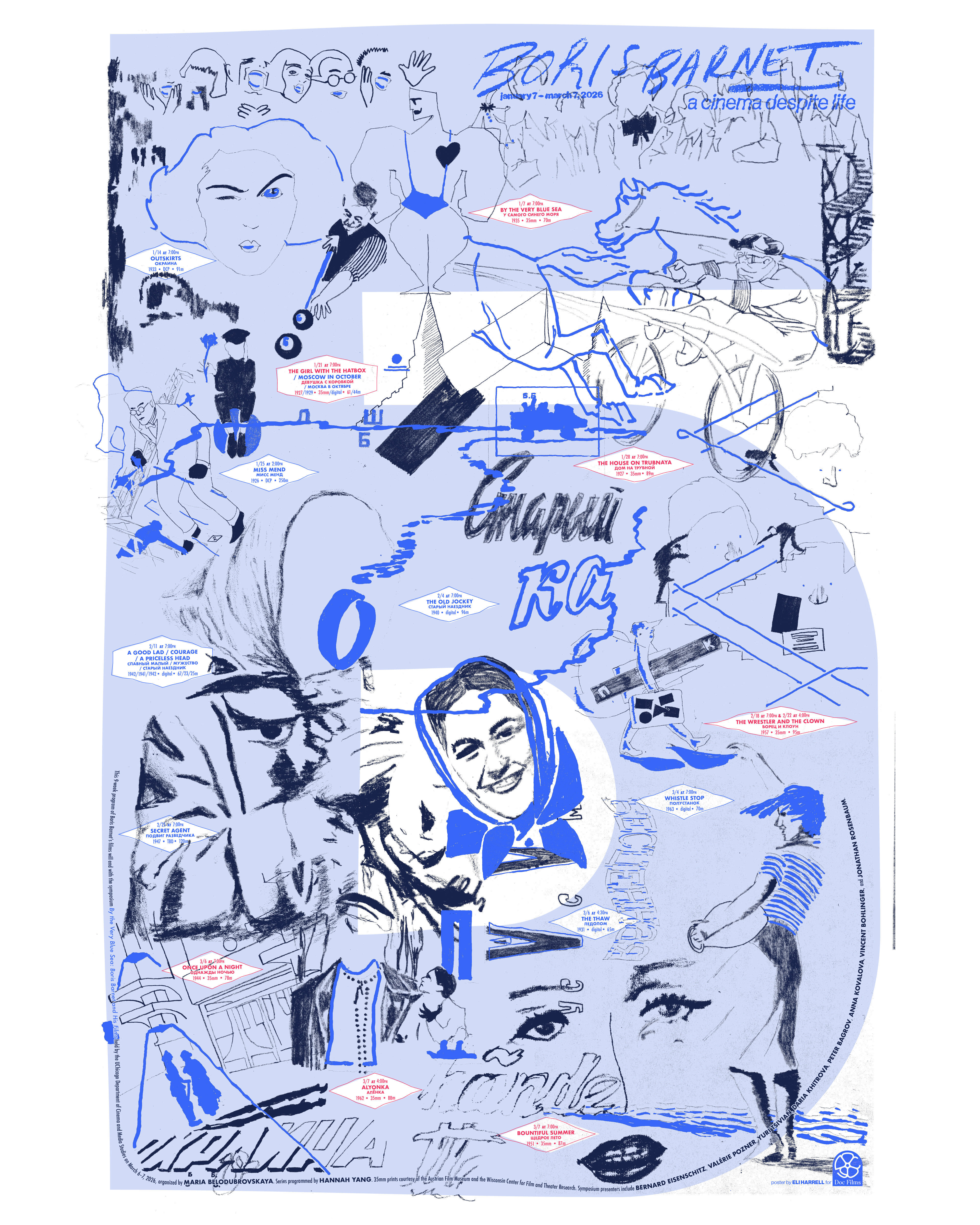
Too little has been said of the Moscow-born filmmaker Boris Barnet (1902–1965), whose career spanned nearly four decades and over twenty films. Hailed by Jacques Rivette as the Soviet filmmaker second only to Eisenstein, he was introduced to French admirers by Henri Langlois, who would sometimes show his work without subtitles. Barnet’s films can indeed be appreciated without language, as they consist of simple premises and passions that emerge out of them, transcending the dry dialogues of kolkhoz members lamenting grain quotas. Barnet’s characters — a shipwrecked duo in love with the same woman, a struggling accountant of a collective farm, a country girl in Moscow — occupy a sprawling map of Eurasia from the dusty Kazakh frontier to fish farms on the Caspian Sea. But this Soviet world is incidental, not total. Otar Iosseliani wrote that Barnet “behaved as if the state didn’t exist, except as a paradox.” Similarly, Barnet’s cinema exists despite Soviet life. Even the most propagandistic elements of his films fall flat in the face of his honest commitment to life itself. He conveys the beauty and tragedy of the everyday with an embodied grace that cannot help but linger on the presence of things: fresh air, the lilt of a song, blinding waves, the illuminated white flowers at night. Barnet never much liked his films, but his love for the sensations and pleasures of cinema and life abounds in every frame. Barnet died by suicide at the age of sixty-two, leaving behind a cinema despite — but full of — life.
The retrospective ends with the symposium By the Very Blue Sea: Boris Barnet and His Films held by the UChicago Cinema and Media Studies Department, March 6-7, 2026. Special thanks to Maria Belodubrovskaya, Edo Choi, Eli Harrell, Edward McCarry, The Theater of the Matters, Florian Haag, and the Austrian Film Museum.
By the Very Blue Sea (1935)

Boris Barnet · 70m · 35mm
Shipwrecked friends Alyosha and Yussuf drift onto an island, where they fall for the local fish farm’s charming leader, Masha. Barnet’s visual poetry reaches its peak amidst crashing waves, creating an otherworldly oasis out of sun and sea. This is a film of sensuality and freedom, a miracle of Soviet cinema. Eyes meet flirtatiously and bodies move athletically — laboring in the heat, leaping into the water, and striding passionately towards each other.
Wednesday, January 7 7:00 PM
Outskirts (1933)
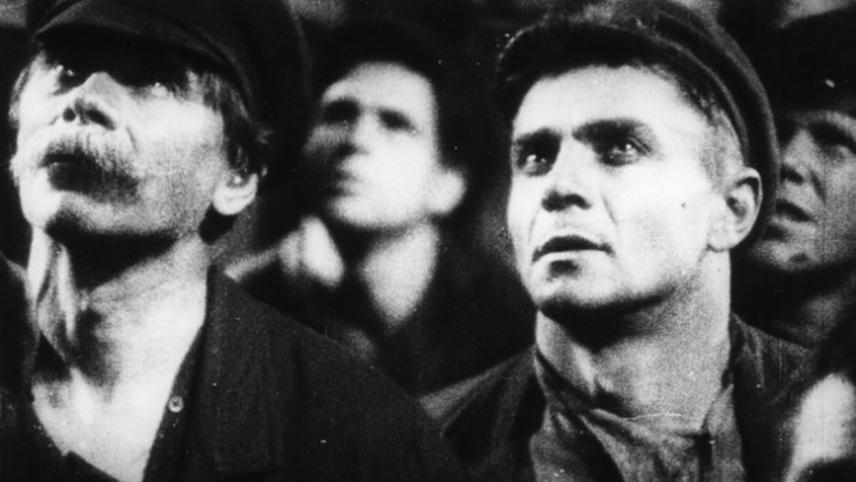
Boris Barnet · 91m · DCP
Considered a defining feature in Barnet’s oeuvre, Outskirts concerns a small network of misfits in rural Russia on the verge of World War I. Awkward romance, father-sibling conflict, class rivalry, interpersonal loyalty, nationalism, and the horrors and pointlessness of war are all thematized in this delightfully acted comedy starring future Soviet film stars, Elena Kuz’mina and Nikolai Kriuchkov, who also headline By the Very Blue Sea.
Wednesday, January 14 7:00 PM
The Girl with the Hatbox (1927)
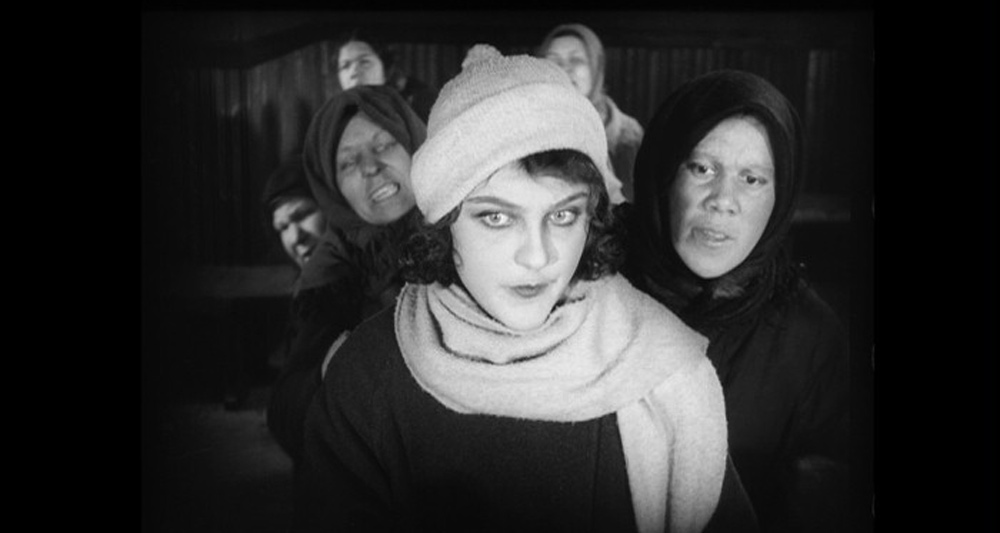
Boris Barnet · 66m · 35mm
Natasha (Anna Sten) is pursued by railroad clerk Fogelev (Vladimir Fogel) and penniless student Ilya (Ivan Koval-Samborsky). Pitying Ilya, she "marries" him so that he can stay in her Moscow room. What begins as a housing crisis turns into a light-hearted romance, carried by a comical spirit that infects not only the characters but their belongings, like Ilya’s boots and Natasha’s hatbox. Moscow in October will now preceed The House on Trubnaya.
Wednesday, January 21 7:00 PM
Miss Mend (1926)
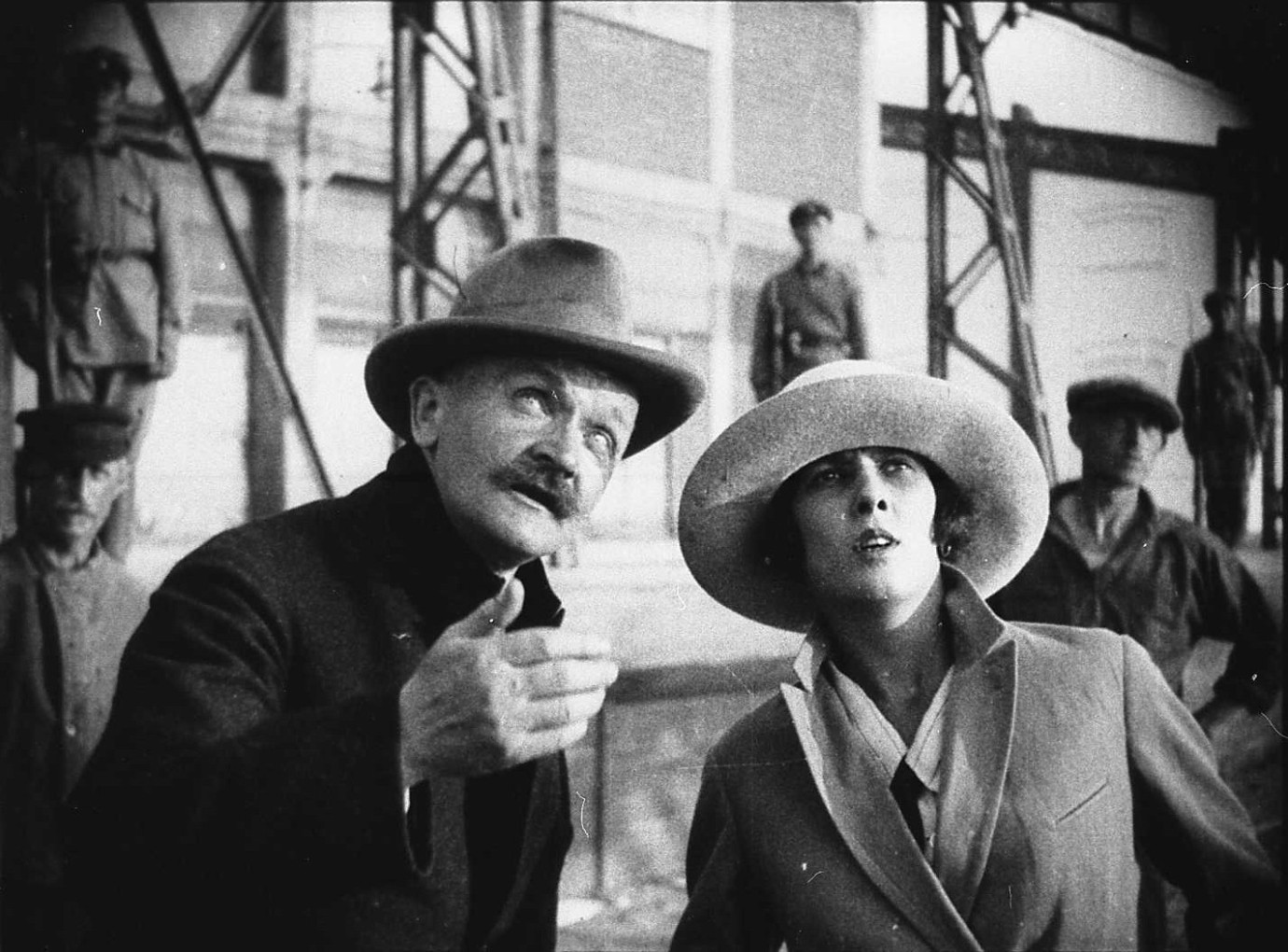
Boris Barnet · 250m · DCP
This three-part rewrite of the novel Mess-Mend was one of the most popular Soviet films of the 20s despite being criticized as Western-style entertainment by the press. An evil plot by a capitalist organization to poison the USSR must be thwarted by secretary Vivian Mend and her admirers — two journalists (one played by Barnet) and a clerk. Switching abruptly from thriller to melodrama to slapstick comedy, Miss Mend is a dizzying adventure.
Sunday, January 25 2:00 PM
Moscow in October / The House on Trubnaya (1929 / 1928)
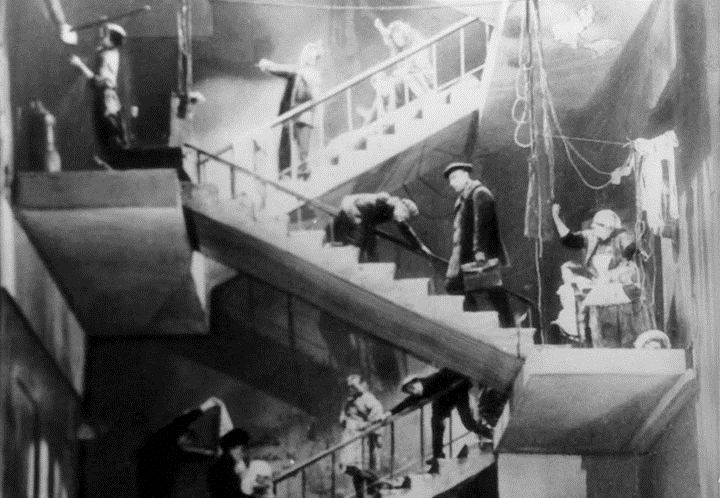
Boris Barnet · 38m / 89m · Digital / 35mm
The messy, bustling house on Trubnaya is part of a waking city symphony, until the film suddenly freezes — a girl and a goose are in the way of an oncoming streetcar! This is our introduction to Paranya, who is soon exploited by a bourgeois couple and recruited by a union organizer in the same building. Barnet’s filmmaking is acrobatic in this tale of a country girl inspired, not least by a stage play of the French Revolution, to gain her worker’s rights. Preceded by the partially surviving Moscow in October.
Wednesday, January 28 7:00 PM
The Old Jockey (1940)
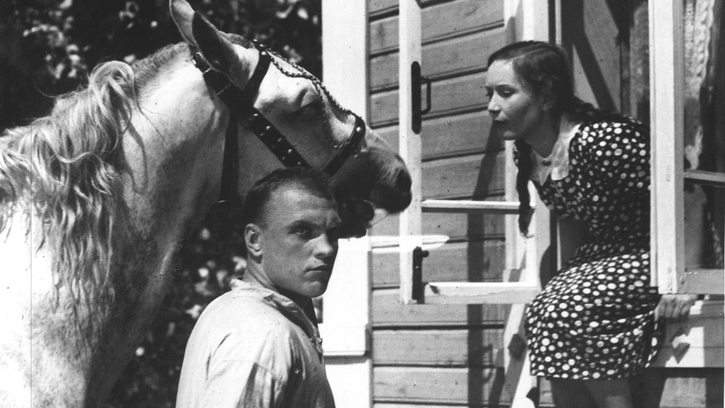
Boris Barnet · 96m · Digital
Ivan Trofimov, a skilled racehorse jockey, decides to retire at 60. Can his colleagues carry on without him? The film was banned by the Central Committee Film Commission as "a slander against Soviet people and a mockery of Soviet village life." It is unknown to this day whether the ban was caused by Barnet’s rowdy characters and their eager sweepstakes, or by the fear that Stalin, then 62, would not take kindly to the idea that 60 was the retirement age.
Wednesday, February 4 7:00 PM
A Good Lad / Courage / A Priceless Head (1942 / 1941 / 1942)
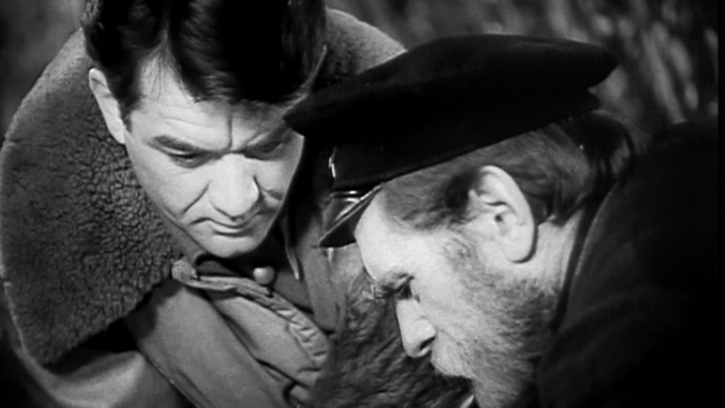
Boris Barnet · 67m / 23m / 25m · Digital
A small partisan unit operates in the woods near the city of Novgorod. When the partisans rescue an allied French pilot, they send a man to complete his mission. Like its predecessor, The Old Jockey, the film was banned, becoming Barnet’s least seen film. Yet it charts the director’s transition, via romantic comedy, from slapstick to war drama in his two war-time shorts, Courage and The Priceless Head, which will accompany the feature.
Wednesday, February 11 7:00 PM
The Wrestler and the Clown (1957)

Boris Barnet · 95m · 35mm
The film that led Godard to say, "One doesn’t have to be stupid to dislike Barnet’s film, but one does have to have a heart of stone," The Wrestler and the Clown is a fantastical Sovcolor display of an Odessa circus at the turn of the 20th century, concerning the friendship between a wrestler and a clown. Struggling with losses both professional and personal, the pair exhibit remarkable vulnerability and strength in one of Barnet’s most humane works.
Print courtesy of Wisconsin Center for Film and Theater Research.
Wednesday, February 18 7:00 PM · Sunday, February 22 4:00 PM
Secret Agent (1947)
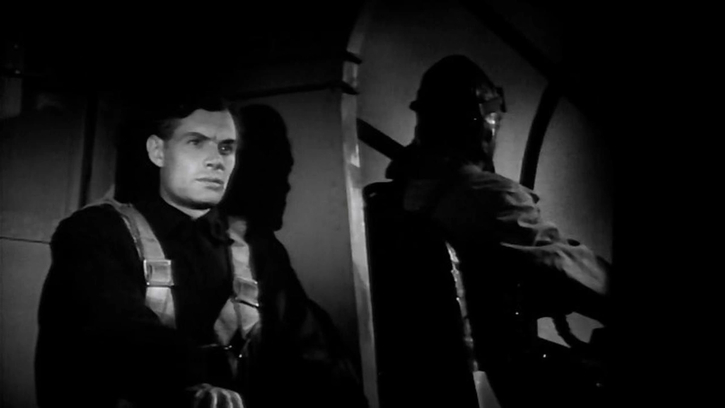
Boris Barnet · 88m · TBA
The most unabashedly genre film of the entire Stalin period, Secret Agent is a spy thriller about a Bond-style secret agent living undercover in Germany during World War II. Only a couple of well-placed (and subsequently famous) lines about the Soviet motherland and the character’s true-life origins made it palatable for Soviet censors. The film was beloved by Soviet audiences not in the least for showing the glamors of life in the West.
Wednesday, February 25 7:00 PM · Thursday, March 5 7:00 PM
Whistle Stop (1963)
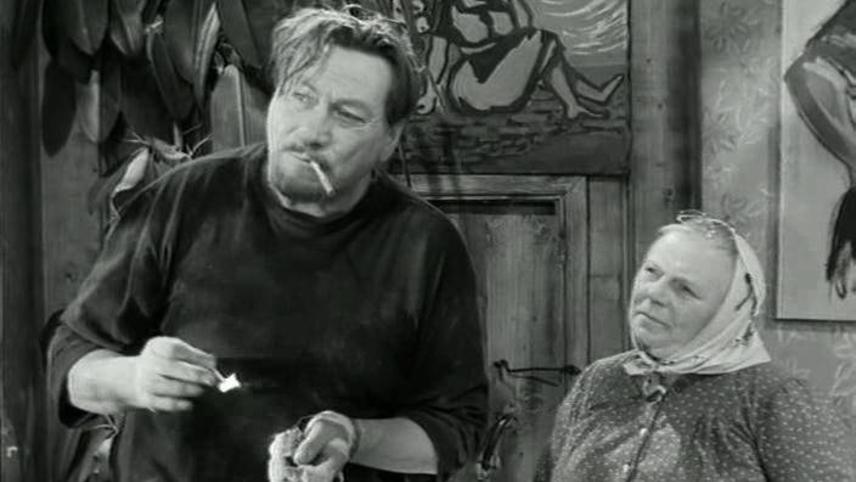
Boris Barnet · 70m · Digital
Recalling the shimmering seaside community of By the Very Blue Sea, wacky characters of The Old Jockey, and precocious children of Alyonka, Barnet’s last film portrays a middle-aged academic who comes to a remote village for his summer vacation, hoping to dedicate himself to watercoloring and lazing around. Soon, however, he befriends a spirited 11-year-old boy and his 5-year-old girl companion and becomes their leader and confidant.
Wednesday, March 4 7:00 PM
The Thaw (1931)
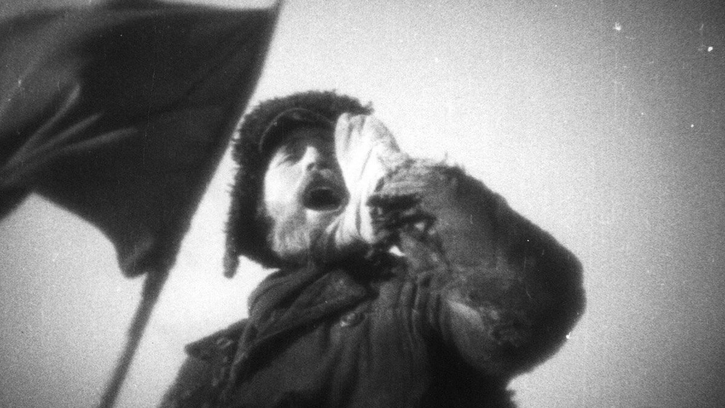
Boris Barnet · 65m · Digital
The Thaw, or The Ice Breaks, is set in the late 1920s and deals with a struggle of the village bedniaki (poor peasants) against the local kulaki (rich peasants) over bread production. This is a montage film and Barnet’s answer to Dovzhenko’s famous collectivization drama Earth (1930). The film was banned: according to the censors, it was politically behind times, its conflict being about food provision rather than socialism in agriculture.
Presented as part of the symposium By the Very Blue Sea: Boris Barnet and His Films.
Friday, March 6 4:30 PM
Once Upon a Night (1945)
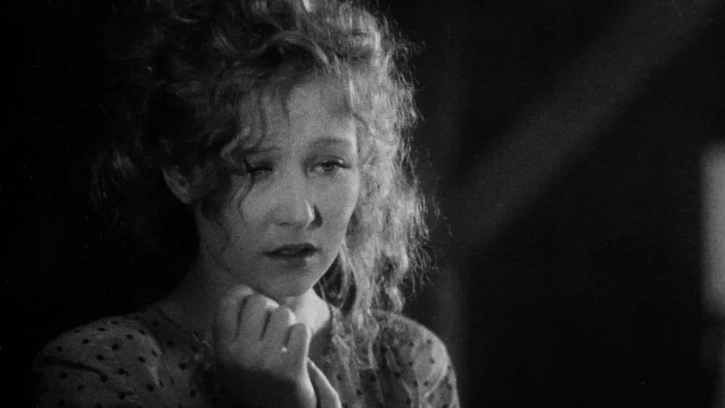
Boris Barnet · 74m · 35mm
This World War II resistance thriller and character study is set in a Soviet city occupied by the Nazis. It centers on a brittle young woman, Varya, who, having lost her family, scrubs the floors of the Nazi headquarters. One night, a Soviet plane crashes in the neighborhood, and Varya must attempt to care for the surviving wounded fliers. She hides them in the attic of a bombed-out building and risks execution every time she ventures out to see them.
Screening at Logan Arts Center Rm. 201. Co-presented with the Film Studies Center. Presented as part of the symposium By the Very Blue Sea: Boris Barnet and His Films.
Friday, March 6 7:00PM
Alyonka (1962)
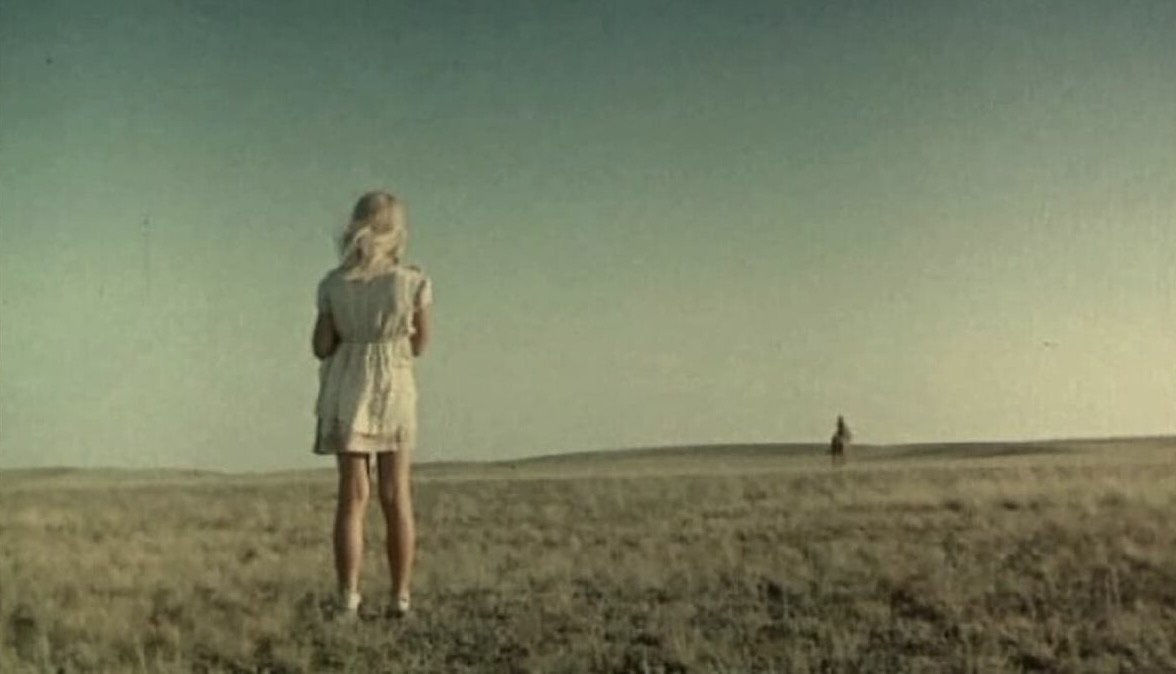
Boris Barnet · 86m · 35mm
An open truck arrives at a makeshift meeting point in the middle of a virgin frontier. As the passengers load up, the driver spots a heap of tires and steals the one on top. Everyone will turn out to be flawed in this perky road movie comprised of life stories of strangers who meet on this ride to the city. Yet everyone will bask in the presence of Alyonka, a kerchiefed 8-year-old, who is poised to advocate for her travel companions along the way.
Presented as part of the symposium By the Very Blue Sea: Boris Barnet and His Films.
Saturday, March 7 4:00 PM
Bountiful Summer (1951)
Boris Barnet · 87m · 35mm
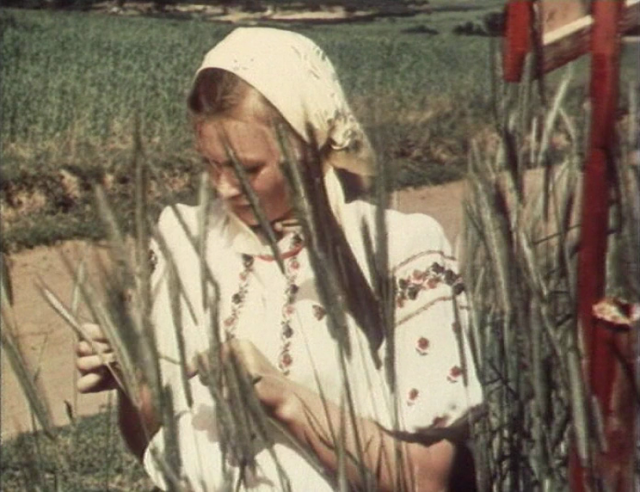
Jacques Rivette described Barnet’s gaze as "one of innocence, but not of an innocent." In Bountiful Summer, this tension is played out through a timeless romance in a collective farm musical. In this world of blue skies and rippling wheat fields, rivalry exists but jealousy shouldn’t; love is not declared but veiled in discussions of productivity. One is nearly swept away in the beauty of the people, the land, and their bountiful summer.
Presented as part of the symposium By the Very Blue Sea: Boris Barnet and His Films.