


Sarah Maldoror: To Make a Film Means to Take a Position
Sarah Maldoror’s mentor, collaborator, and friend Aimé Césaire described her as a figure who, “camera in hand, fights oppression, alienation, and defies human bullshit [qui, caméra au poing, combat l’oppression, l’aliénation et défie la connerie humaine].” And indeed, the pioneer French-Guadeloupean filmmaker’s work was a practice of building revolution with the film-camera, marked by a militance, formal rigor, and generosity from the beginning. Born in southwestern France, Maldoror moved to Paris at a young age, where, in 1956, she cofounded a theatrical troupe of Black and Caribbean actors. The company of les Griots, named for West African traveling poets and oral historians, cultivated collaborations with Toto Bissainthe and Wifredo Lam. Maldoror later crossed paths with Ousmane Sembène while studying the Gerasimov Institute of Cinematography in Moscow, and with Gillo Pontecorvo and William Klein while assistant directing The Battle of Algiers and Festival panafricain d’Alger. Best known for her groundbreaking works Monangambééé and Sambizanga, Maldoror had an expansive oeuvre of more than 45 shorts, documentaries, and feature films. This small sampling of her lesser-known work shows a filmmaking of restless openness, curiosity, and exchange. Maldoror cultivated a filmic forum for engagement with pan-Africanism, Négritude, and Third Cinema, creating a network of global exchange linking Rabat, Algiers, Tunis, Conakry, Cape Verde, Bissau, Moscow, Fort-de-France, and Saint-Denis. Her work represents not only a sort of “filmography as bibliography,” in the words of Yasmina Price, but a cinema as poetry, cinema as history, cinema as solidarity.
All films courtesy of Annouchka de Andrade and l’Association des Amis de Sarah Maldoror et Mario de Andrade.
Scala Milan AC / A Dessert for Constance (2005 / 1981)
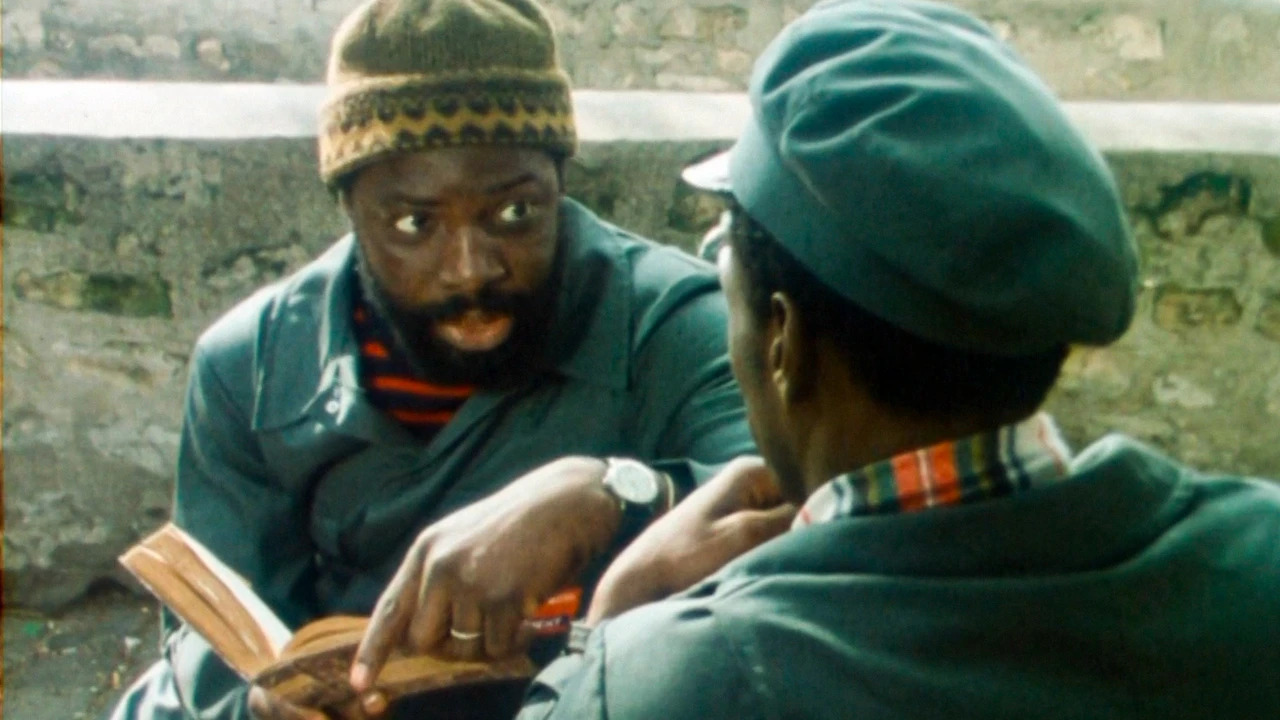
Sarah Maldoror · 18m / 61m · DCP
Two key fiction shorts in Maldoror’s filmography; two competitions; two visions of community in postcolonial France. In Scala Milan A.C. (funded in part by Agnès Varda) a group of football-crazed high school students try to win a trip to Milan in a competition that asks them to describe their neighborhood. In A Dessert for Constance, two African immigrant street sweepers enter a TV cooking competition to pay for a friend’s ticket home.
Tuesday, January 6 7:00 PM
Opening of the Theatre Noir in Paris / L’enfant cinéma / Fogo, Fire Island / Carnival in Bissau / Carnival in the Sahel (1980 / 1996 / 1979 / 1980 / 1979)

Sarah Maldoror · 6m / 23m / 32m / 27m / 28m · DCP
The three films in Maldoror’s "Carnival Trilogy" affirm the revolutionary potential of carnivals, examining these celebrations as platforms for and microcosms of the construction of new Cape-Verdean (Fogo and Sahel) and Bissau-Guinean (Bissau) identities after their independences from the Portuguese colonial regime. The trilogy is preceded by two shorts that similarly speak to theater, music, and performance as political forms.
Tuesday, January 13 7:00 PM
Alberto Carlisky / Miró / Wifredo Lam / Vlady / Ana Mercedes Hoyos, Painter (1980 / 1979 / 1980 / 1989 / 2008)
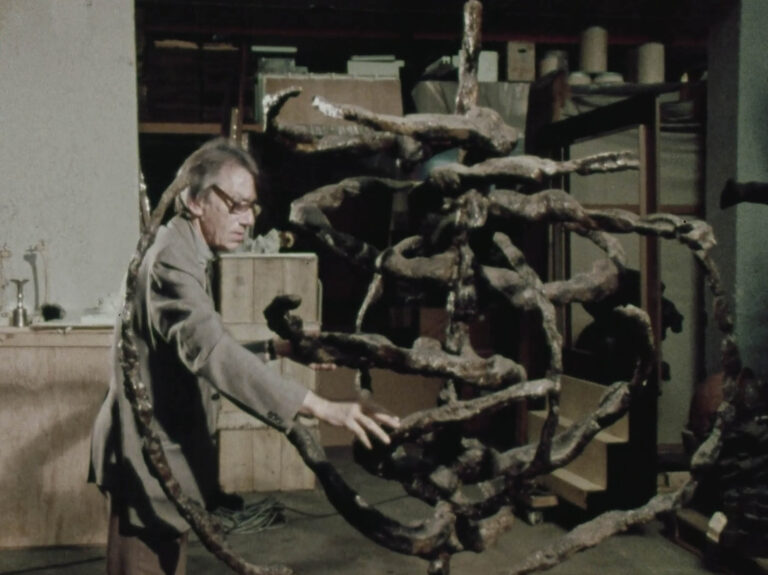
Sarah Maldoror · 4m / 5m / 4m / 24m / 13m · DCP
Maldoror as art historian: in five artist portraits of Alberto Carlisky, Joan Miró, Wifredo Lam, Vlady Rusakov, and Ana Mercedes Hoyos, the filmmaker documents the playful and political implications of artistic practice. The films present a vision of "painting [as] an act of decolonization not in a physical sense, but in a mental one," as Lam states in his eponymous film.
Saturday, January 31 2:00 PM
René Depestre, Haitian Poet / Léon G. Damas / Père Lachaise Cemetery / Louis Aragon: A Mask in Paris / Memory’s Gaze (1981 / 1994 / 1978 / 1980 / 2003)
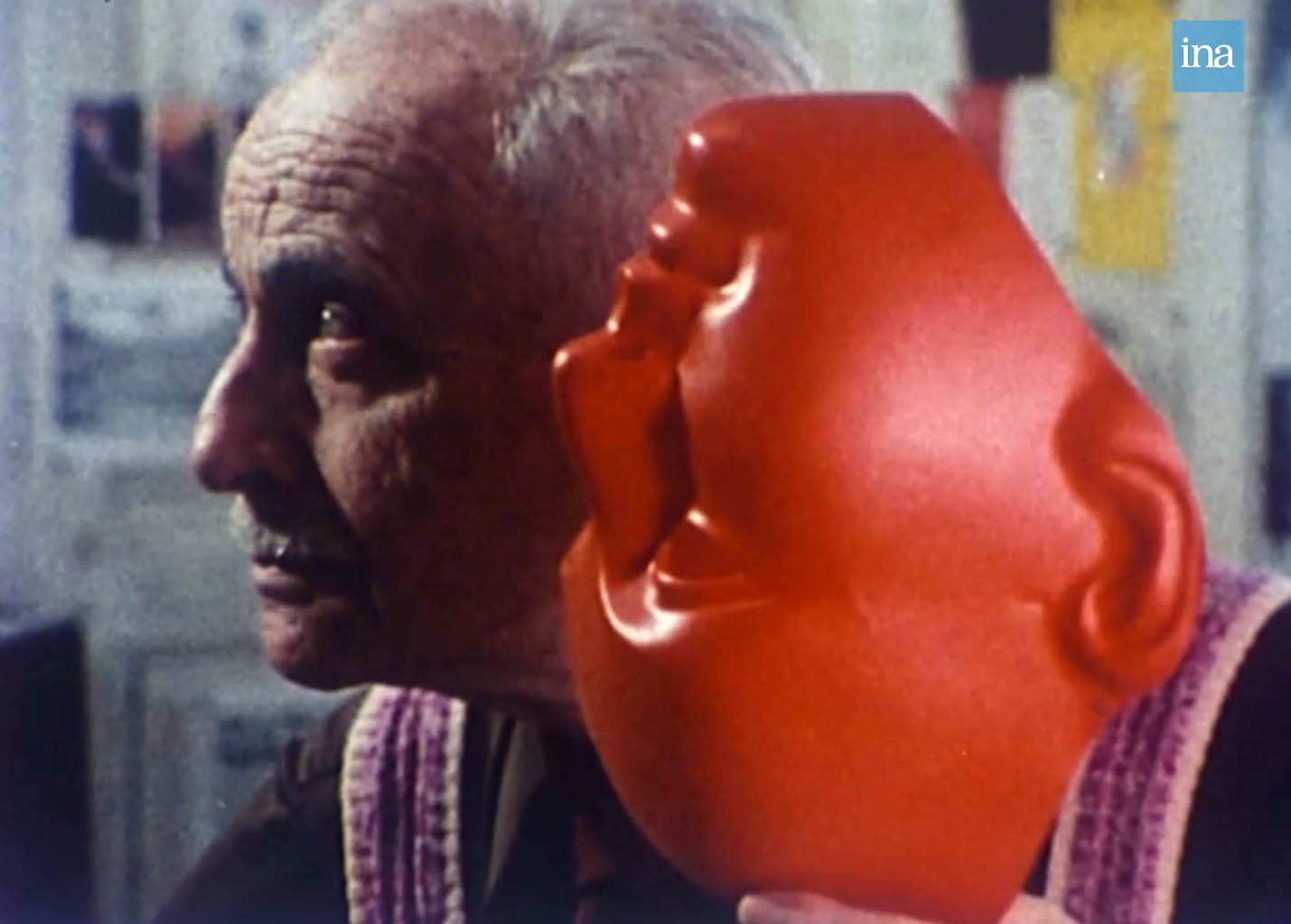
Sarah Maldoror · 5m / 28m / 7m / 19m / 24m · DCP
These films explore Maldoror’s enduring interest in poetry as a vehicle for resistance and for making sense of history. Rene Dépestre and Louis Aragon are portraits of the poets, and in Père Lachaise, the poetry of Éluard and others foreground images of the iconic cemetery. Léon G. Damas is a testament to poetry and education’s "inseparability from emancipation." Memory’s Gaze links poet Aimé Césaire, theorist Édouard Glissant, and Haitian revolutionary Toussaint Louverture in a meditation on poetry, landscape, and histories of slavery.
Tuesday, January 27 8:30 PM
And the Dogs Were Quiet / Aimé Césaire: The Mask of Words (1978 / 1987)
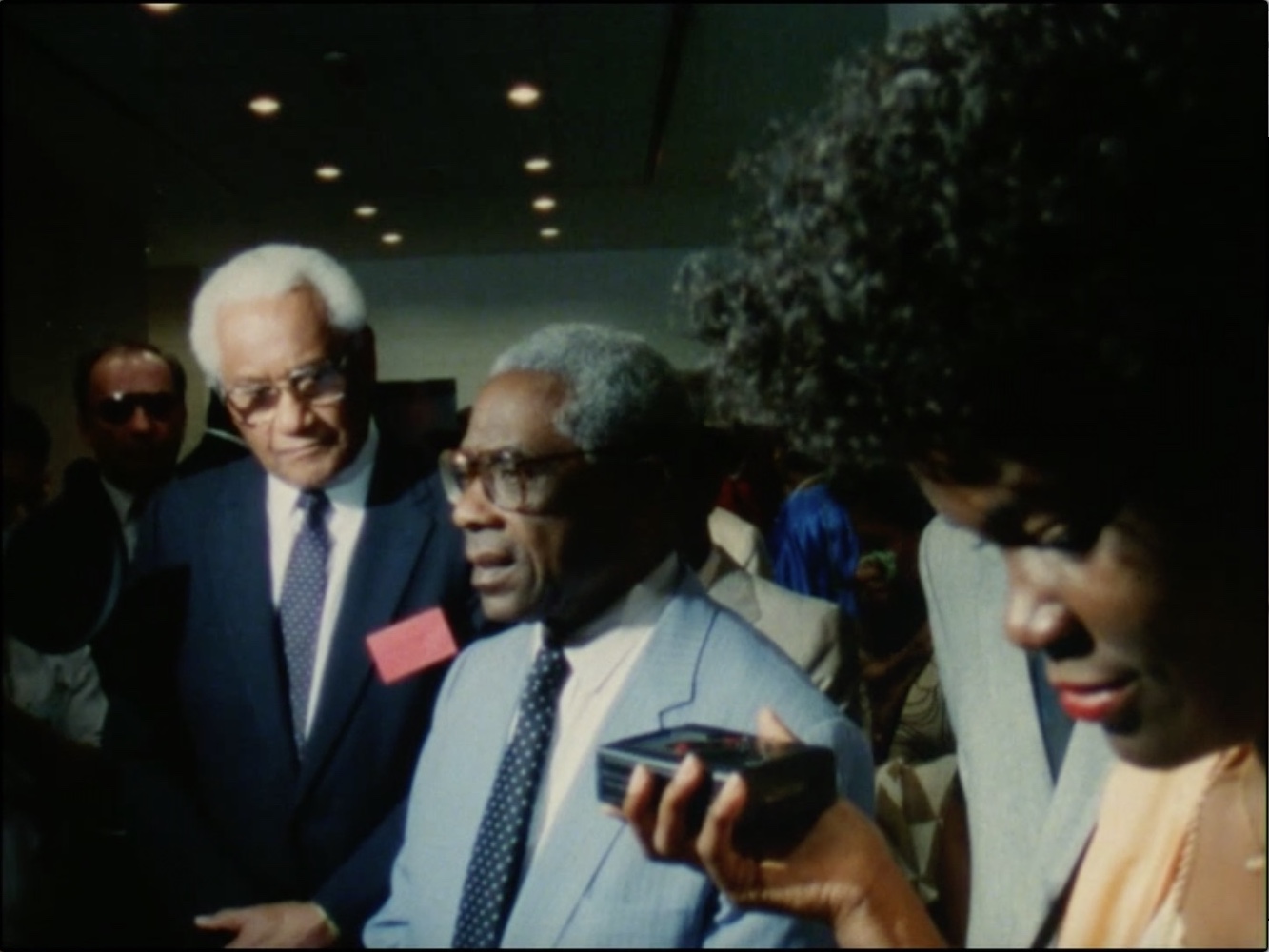
Sarah Maldoror · 13m / 57m · DCP
The final program of the series is dedicated to Aimé Césaire — poet, politician, revolutionary — and one of Maldoror’s most important mentors and friends. And the Dogs Were Quiet puts the Martiniquais landscape and the backrooms of the Musée de l’Homme into dialogue, where Maldoror and Gabriel Glissant adapt Césaire’s play of the same name. The Mask of Words is a meeting between Maldoror, Césaire, and the Senegalese poet Léopold Sédar Senghor, discussing the power of Négritude theater and poetry as a "relief lung," in the words of Césaire.