


Anne-Marie Miéville: Not Reconciled
Programmed by: Avivit Ashman, Hannah Yang
"Every time we enter a film by Miéville, we experience the feeling of an urgency — to separate," writes film critic Marie Anne Guerin. This attention to rupture, the gaps inherent in language, romance, and revolution, is essential to the project of Swiss filmmaker Anne-Marie Miéville. Through film — for, after all, the "desire for order is the desire for cinema" (Guerin) — Miéville works toward a reconciliation of these fissures. With a precise command of images that dates to her origins in still photography, her films are an exercise in making us see anew, as claimed by her lifelong collaborator Jean-Luc Godard. Miéville's fifty-year partnership with Godard, in which she served as actress, editor, photographer, writer, and producer in dozens of films, is one of the most remarkable in the history of cinema. Their ten-hour Six fois deux/Sur et sous la communication, and especially their 1976 documentary on Palestinian fedayeen Ici et ailleurs made with the Dziga Vertov Group, remain politically and formally incisive critiques of imperialism and mass culture. While this series showcases select Godard-Miéville collaborations, its focus is on Miéville as a filmmaker in her own right, the forger of a new cinema of self-critique and dialectical rigor. Miéville's films are marked by an acerbic wit, a Brechtian theatricality, a militant anger. They offer a unique balance of intellectual heft and a profound tenderness, drawing on a trove of past thinkers — Rilke, Joseph Conrad, Heidegger, Plato, Tolstoy — and Miéville's own life. Miéville, a "cineaste of the word" (Jacques Deniel) and of the spirit, provides a radical restructuring of relations between self and other, image and text, attempting reconciliation while acknowledging its impossibility and the beauty therein.
Sang titre / Liberty and Homeland / How’s It Going? (2020 / 2002 / 1976)
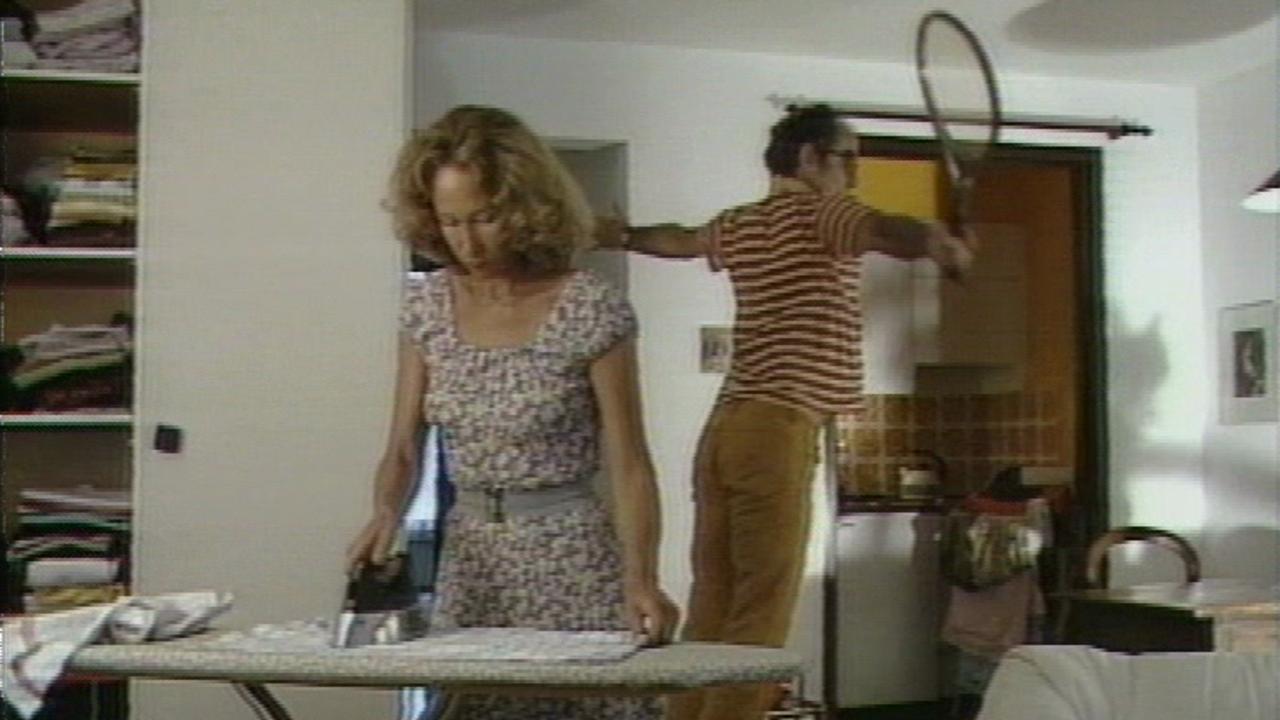
Anne-Marie Miéville, Jean-Luc Godard · 10m / 21m / 78m · DCP / DCP / digital
A journalist at a communist printing press and a trade unionist discuss the state of post-‘68 France. Strikes in Portugal and France are juxtaposed against the journalist’s home life with her factory worker boyfriend. Preceded by Liberty and Homeland, commissioned by Miéville and Godard’s home canton of Vaud, and the pair’s final film together, Sang Titre, an updated version of Godard’s Dans le noir du temps, made for the people of Palestine.
Tuesday, February 3 7:00 PM
Soft and Hard / After the Reconciliation (1985 / 2000)
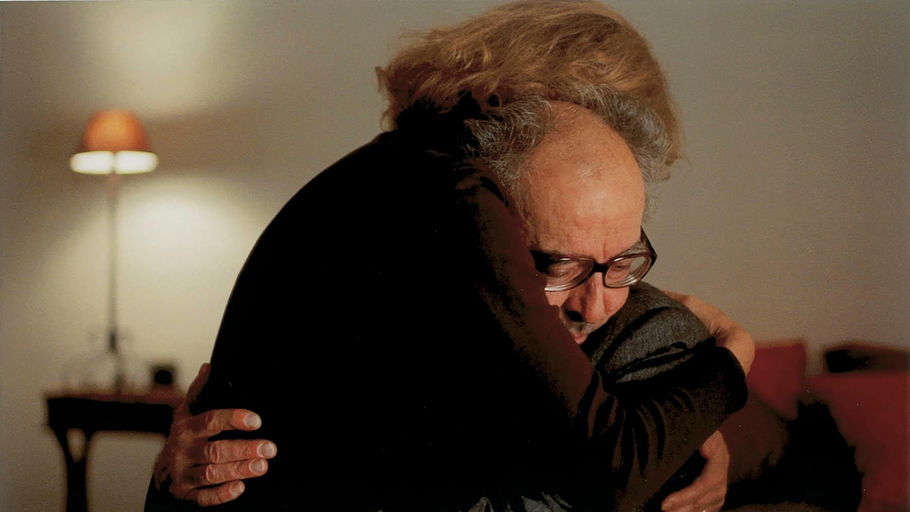
Anne-Marie Miéville, Jean-Luc Godard / Anne-Marie Miéville · 49m / 74m · DCP
A dialogue of the "soft" and the "hard" — video and film, image and language, Miéville and Godard. Miéville continued this "soft conversation on a hard subject" in After the Reconciliation, a depiction of two couples (one played by herself and Godard) and their struggles to understand the other in the face of the inherent estrangements caused by love and language.
Tuesday, February 10 7:00 PM
The Book of Mary / My Dear Subject (1985 / 1988)
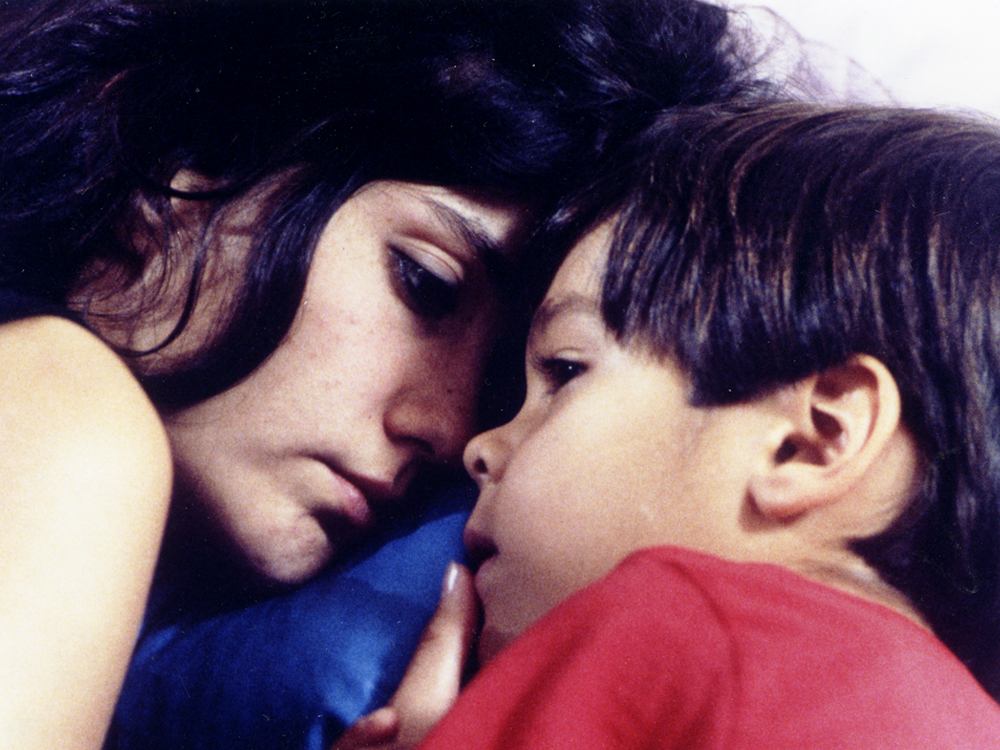
Anne-Marie Miéville · 28m / 96m · DCP
Three generations of women navigate cycles of birth and death in Miéville’s début solo feature. Miéville’s delicate observations on the difficulties of communication and creation, is above all, according to Laure Adler, an inquiry into "the inner fissures" between the self and other. Preceded by The Book of Mary, an earlier exploration of childhood and solitude, created as a companion piece to Godard’s Hail Mary.
Tuesday, February 17 7:00 PM
Lou Didn’t Say No (1994)
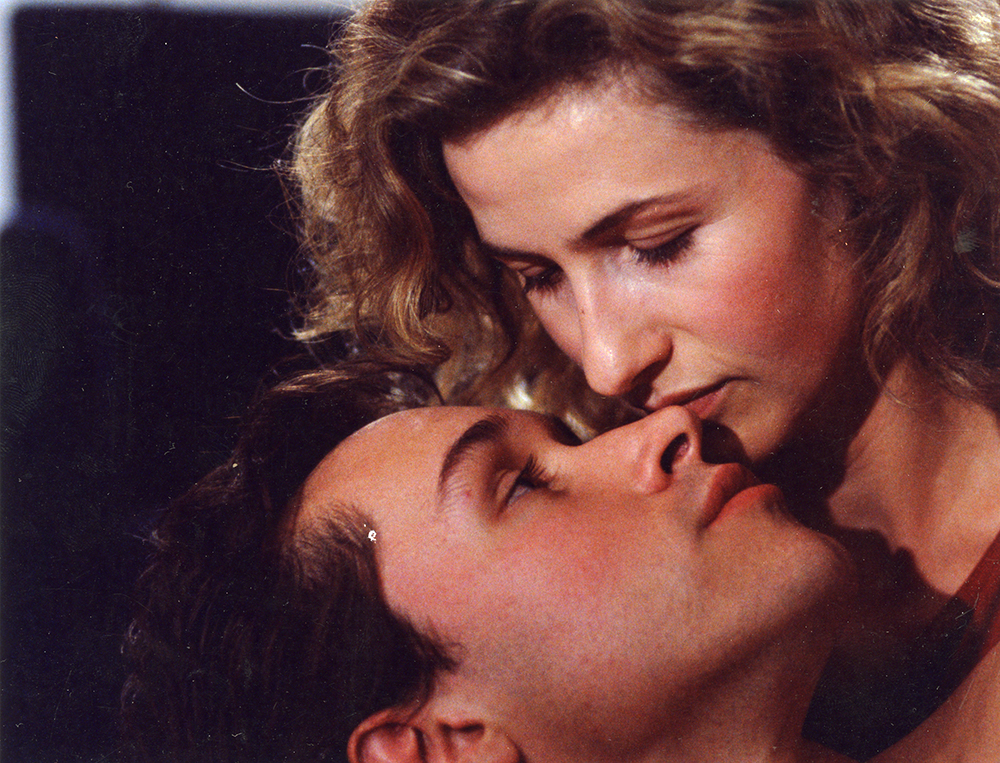
Anne-Marie Miéville · 80m · DCP
Using Rainer Maria Rilke and Lou-Andreas Salomé’s love letters as a focal point, Miéville extends the problems of one couple to a larger interrogation of the problems between all people, between people and texts, and between people and their environments. The film testfies to Rilke’s claim that "the love experience will be reshaped into a relationship that is meant to be between one human being and another, no longer one that flows from man to woman."
Tuesday, February 24 7:00 PM
We’re All Still Here (1997)
Anne-Marie Miéville · 80m · DCP
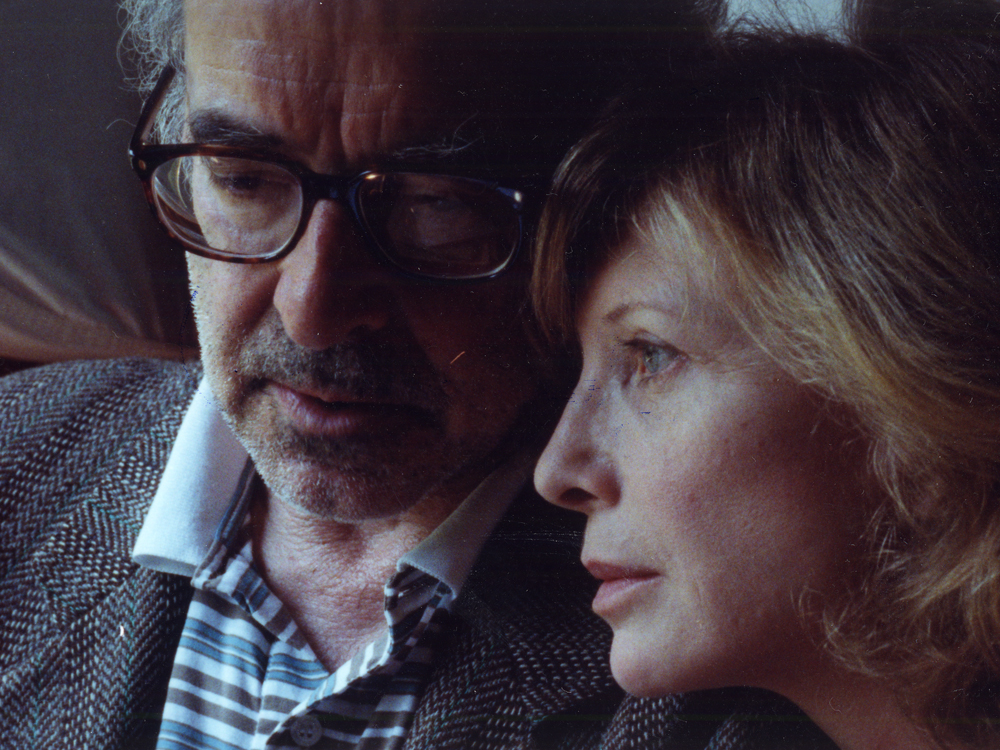
Aurore Clément and Bernadette Lafont play two housewives engaged in a Platonic dialogue; Jean-Luc Godard delivers a monologue from "The Nature of Totalitarianism"; Clément and Godard participate in classically Miévillean repartees about the nature of art, marriage, and communication. This moving tripartite effort expands the possibilities of conversation, considerations of truth and happiness in relationships, and the nature of image-text relations.